How to Pamper Your Potatoes at Summer’s End for a Bountiful Fall Harvest
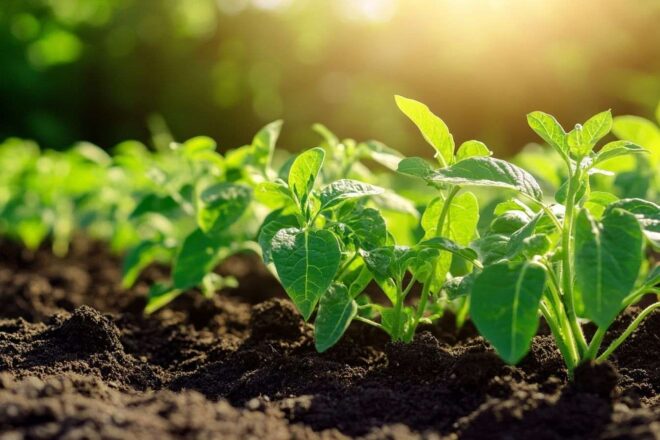
As summer draws to a close, gardeners turn their attention to preparing potato crops for a successful autumn harvest. Proper care during these final weeks is essential to ensure healthy tubers and maximize yields as the season transitions.
TL;DR
- Hill and mulch potatoes to protect tubers from sun.
- Balance watering, choose robust varieties for success.
- Vigilance against pests ensures a healthy harvest.
A Delicate Balance: Watering, Varieties, and Weather
As summer unfolds, many gardeners find themselves pondering the secrets behind a plentiful potato harvest. While growing this root vegetable may seem straightforward—whether in the open ground or containers—the reality is more nuanced. Success hinges on a careful equilibrium between soil moisture, varietal selection, and climate management. The potato, after all, needs about one centimeter of water weekly: too little and growth stalls; too much invites disease and rot. Should rainfall prove excessive, simple protections like fabric covers or sacks can shield your crop from nutrient-leaching downpours.
Opting for resilient varieties such as “Yukon Gold” or “Dark Red Norland” gives novices a fighting chance before venturing into more demanding cultivars. These tried-and-true types offer both reliability and flavor, making them favorites among those new to potato cultivation.
The Techniques That Make All the Difference
But water is only part of the equation. Hilling—gently mounding soil around stems when plants reach 20 to 25 centimeters—remains essential. This traditional practice shields developing tubers from sunlight exposure (the culprit behind unpalatable green potatoes) and fosters robust growth beneath the surface. Hilling should be repeated twice over the season and adjusted after heavy rains or if local wildlife takes an interest.
After hilling comes mulching: laying a thin layer of straw or dry leaves helps maintain soil humidity and discourages insect pests. It’s a subtle step but one that often separates thriving crops from disappointing ones.
Pest Control: Constant Vigilance Required
Experienced growers know that potato beds demand close observation—especially as harvest time draws near. A short checklist illustrates the key threats:
- Colorado potato beetles: best removed by hand (a vinegar bucket suffices)
- Aphids and other insects: deterred by mulch and attentive care
- Rodents or burrowing animals: thwarted by low fencing or wires
Mulch does double duty here as well; while it deters some bugs, it also harbors beneficial predators that keep populations in check.
Timing Is Everything at Harvest
The historical shadow of the Irish famine—triggered by devastating blight—serves as a reminder that vigilance pays off until the last moment. When foliage droops and stems turn brown, it’s nearly time to dig up your potatoes; gentle handling prevents injury to young tubers. Allowing them to rest in situ for a week after complete die-back encourages skin thickening—a small delay that pays dividends in storage quality.
Finally, stay alert for forecasted frosts—timely action can spare you unnecessary losses. With attentiveness and a few strategic actions, even amateur gardeners can transform homegrown potatoes into an abundant reward come harvest season.