How to Safely Make Homemade Preserves and Prevent Food Poisoning
ADN
Home canning is gaining popularity, but improper methods can lead to serious health risks. Understanding essential safety guidelines is crucial for anyone looking to preserve their own food and prevent potential cases of foodborne illness.
TL;DR
- Summer travel fuels higher food waste in French households.
- Home canning curbs waste but requires strict hygiene.
- Proper sterilization crucial to prevent severe foodborne illness.
Summer Holidays: A Hidden Driver of Food Waste
Every year, as the summer exodus sweeps across France, a less visible consequence unfolds quietly at home: the escalation of food waste. According to France Nature Environnement, an astonishing 10 million tonnes of edible products are discarded annually nationwide. The season’s tradition of prolonged absences often means refrigerators and cupboards are left stocked with perishables doomed to spoil before families return.
Clever Planning and Canning: Essential Weapons Against Waste
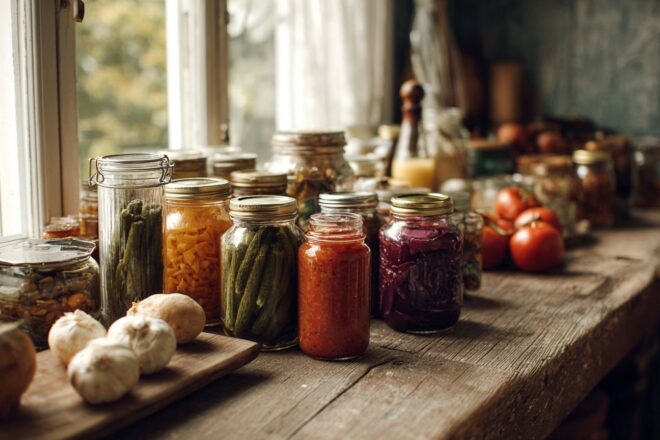
Responding to this seasonal surge in waste demands anticipation. By tailoring grocery shopping to holiday schedules—and sticking closely to a well-prepared list—households can avoid the pitfall of overstocking. But what about those lingering fruits, vegetables, or leftovers threatening to go bad just before departure? Increasingly, many are rediscovering the value of home canning, which offers both a practical and flavourful way to extend shelf life.
Consider ripe tomatoes: blanch them briefly for easy peeling, then simmer with red onion, garlic, and parsley. After passing through a sieve and slow cooking for up to an hour, the sauce is ready for transfer into sterilized jars—destined for a boiling water bath that seals in freshness. This resourceful approach not only rescues ingredients from the bin but also enriches pantries with homemade preserves.
Hygiene Risks: The Non-Negotiable Side of Home Preserving
Yet the growing popularity of home preservation carries an underappreciated risk: improper technique can turn thrift into tragedy. The sobering case highlighted by France Info, involving a fatal incident of botulism from inadequately canned carrot cake, underscores this point all too well. Botulinum toxin—a rare but deadly threat—can thrive when jars are insufficiently sterilized.
Several factors explain how such dangers can be minimized:
- Sterilize jars at no less than 100°C for acidic foods like fruit and tomatoes.
- Add vinegar, lemon juice or salt for less acidic items.
- Meticulously follow hygiene protocols throughout every step of the process.
A Matter of Skill—and Vigilance—This Holiday Season
When executed with diligence, homemade preservation emerges as a potent tool in combating seasonal food waste. The delicate balance between eco-consciousness and food safety depends on both thoughtful planning and unwavering attention to detail in kitchen practices. As the summer holidays beckon, mastering this duo could make all the difference for families determined not only to save money but also to safeguard their health.