How to Use Spices to Instantly Boost Your Dish’s Flavor
ADN
A little-known spice trick is capturing the attention of culinary enthusiasts, promising to dramatically enhance the flavor profile of everyday dishes. This technique offers home cooks a simple way to elevate meals with ingredients already found in most kitchens.
TL;DR
- Roasting whole spices unlocks deeper, richer aromas.
- Technique transforms bland dishes with minimal effort.
- Best results come from toasting seeds, not ground powders.
The Overlooked Secret Behind Vibrant Flavors
While many home cooks instinctively reach for an extra pinch of curry or paprika when a dish lacks punch, the true magic often lies elsewhere. Rather than simply increasing the quantity of spices, the way they are prepared can make all the difference. In fact, a small tweak in your cooking routine—such as briefly roasting your spices—can dramatically transform everything from a classic curry to a rustic couscous.
The Science of Awakening Aromas
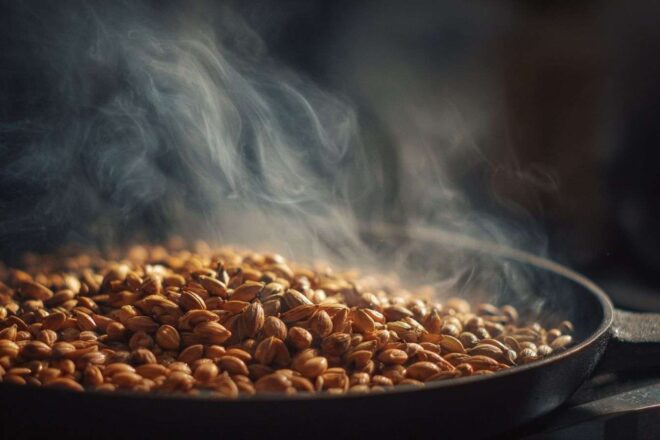
This culinary alchemy, known as the roasting of spices, is still not widely practiced in some European kitchens. The process involves heating whole seeds or berries just before use. Through chemical phenomena like the Maillard reaction and caramelization, this technique unleashes previously dormant aromas. Research focusing on cumin seeds has shown that after brief exposure to temperatures between 160°C and 180°C, their volatile compounds triple in number—the flavor shifts from harsh to mellow, enveloping the palate in warmth.
In practical terms, the impact is immediate: as soon as these seeds hit a hot pan—dry or with a splash of oil—their fragrance quickly fills the room. Several respected chefs advise adding roasted spices right after browning meat; letting them sizzle for another two to three minutes creates a rich aromatic base that infuses the entire dish.
Choosing and Toasting Your Spices
Not all seasonings respond equally well to roasting. For optimal results, focus on whole spices such as coriander or cumin seeds, fennel, mustard, sesame seeds, or cinnamon sticks. To make this process approachable at home, consider these essential steps:
- Use a dry skillet over medium heat for swift roasting.
- Stir continuously to avoid burning and bitterness.
- Watch for color deepening and faint popping sounds as cues.
By contrast, pre-ground blends like turmeric or commercial curry powders have typically undergone prior heating during processing and risk turning bitter if cooked too long—these should be reserved for finishing touches at the end.
A Simple Method That Inspires Daily Cooking
To master this easy yet impactful method: heat a heavy pan over medium flame, scatter in your chosen whole spices in a single layer, then stir constantly for two to five minutes. As soon as their aroma intensifies and their color darkens (without blackening), remove them from the heat. Let them cool before grinding if desired and store them in an airtight jar out of sunlight for up to one week.
Whether you’re enriching lentil soup or elevating roasted cauliflower with mustard seeds, experimenting with this approach can breathe new life into everyday recipes. Sometimes, simply daring to toast your spices is all it takes to give familiar dishes newfound depth.