How Wearable Devices Are Revolutionizing Personal Health Management
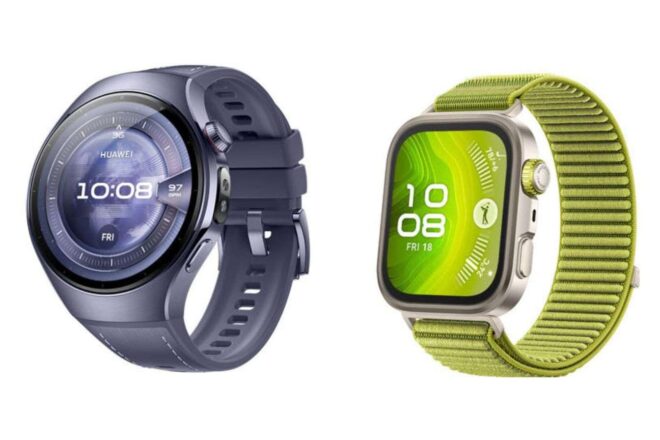
Wearable technology is transforming healthcare by making it easier for people to track vital signs and manage their well-being. These smart devices are becoming increasingly popular, offering users real-time insights into their health and encouraging preventive care.
Tl;dr
A Major Shift in Health Tracking Habits
Across Europe, a subtle but significant revolution is underway in the realm of personal health monitoring. No longer are routine check-ups or basic biometric analyses restricted to the doctor’s office. Now, with just a flick of the wrist or a tap on a screen, millions monitor their well-being in real time. The latest findings from the 2025 European Health Behaviors Survey, conducted by Huawei and Ipsos, highlight just how deeply this wave of connected technology has reshaped everyday health management.
Healthcare Professionals Endorse Connected Devices
A notable consensus is emerging among medical experts regarding these innovations. Recent data reveal that an impressive 72% of healthcare professionals are already recommending connected devices to their patients—devices designed not just to track, but also to anticipate potential health issues. The reasons behind this shift are worth unpacking:
– A proactive approach enabling prevention over late intervention.
– Simplified access to essential metrics such as blood pressure, heart rate, and SpO2.
Remarkably, 83% of practitioners believe these gadgets genuinely encourage individuals to take charge of their health. Users appear to agree: nearly two-thirds say that the insights and feedback provided by their smartwatches leave them better informed about their physical state.
The Five Key Health Metrics: Under Close Watch
But what exactly are people keeping an eye on? If you ask the experts, five indicators rise above the rest: blood pressure, blood sugar (glycemia), heart rate or pulse, SpO2 saturation, and electrocardiogram (ECG) readings. It’s interesting—blood pressure checks, in particular, are now advised multiple times per week. Even more striking is the growing ability to conduct an ECG at home using a wrist-worn device; something that would have seemed far-fetched not long ago.
Huawei’s New Push: TruSense and Next-Gen Wearables
In response to burgeoning demand and shifting expectations, Huawei has outlined bold ambitions for its next product wave. Enter the new HUAWEI TruSense platform—a sophisticated system capable of analyzing more than sixty health parameters spanning six major body systems. As of May 15th, 2025, Europeans will see the debut of the much-anticipated HUAWEI Watch 5 and Watch Fit4 series. Both incorporate groundbreaking modules combining wrist- and fingertip-based detection for unprecedented accuracy.
Ultimately—and perhaps quietly—a new cultural mindset is crystallizing across Europe: individuals are increasingly taking ownership of their wellness journeys. For many, technology has evolved beyond a mere accessory; it’s becoming an indispensable partner in pursuing healthier routines and greater autonomy over personal health.