Hundreds of Foreigners Still Missing in Nepal Disaster
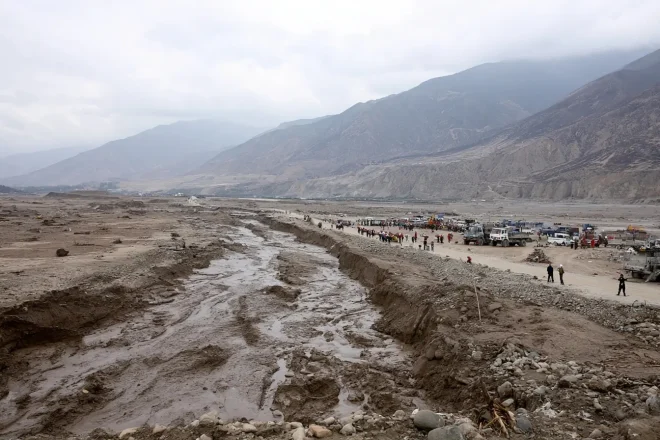
In Nepal, the search continues for hundreds of foreigners who remain missing. Despite ongoing efforts by authorities and rescue teams, many international visitors have yet to be located, raising concerns among families and foreign embassies alike.
TL;DR
- Over 1,300 people missing after mudslides in Nepal, Tibet.
- French nationals may be among those affected.
- Search efforts underway in devastated mountainous regions.
Rescue Operations Mobilized Amid Devastating Mudslides
In the aftermath of catastrophic mudslides that struck the mountainous areas of Nepal and Tibet, an unsettling silence hangs over the fate of more than 1,300 individuals still unaccounted for. As search teams race against time, concern grows about the possible presence of foreign nationals—among them, some French citizens—within the disaster zones.
International Concern as Missing Persons List Grows
Reports coming out of these remote regions indicate that entire communities have been left isolated or buried under thick layers of debris. Authorities warn that communication lines remain unreliable, hampering both local and international efforts to locate survivors or confirm casualties. The French Foreign Ministry has acknowledged the potential involvement of its citizens but has yet to confirm any cases.
Challenging Terrain Hampers Search Efforts
Several factors explain this daunting situation:
- The rugged, high-altitude geography complicates access for rescue teams.
- Heavy rainfall continues, raising risks of further landslides.
- Lack of stable infrastructure in affected villages hinders coordinated response.
Specialized units from both Nepalese and Chinese authorities are collaborating on the ground, utilizing helicopters and drones wherever conditions allow. Yet, treacherous weather and blocked routes persistently stall progress.
A Global Response Takes Shape
The scale of the disaster is drawing attention from humanitarian organizations worldwide. Appeals for aid have been launched as local hospitals struggle to cope with incoming patients and displaced families seek shelter. Meanwhile, embassies—including that of France—are working alongside regional governments to establish lists of missing persons and offer assistance to those stranded.
Amid uncertainty and mounting anxiety for those awaiting news, one truth remains clear: restoring normalcy in these battered landscapes will require not only immediate action but also sustained international cooperation in the weeks ahead.