Hurricane Milton Passes with Fewer Damages Than Expected
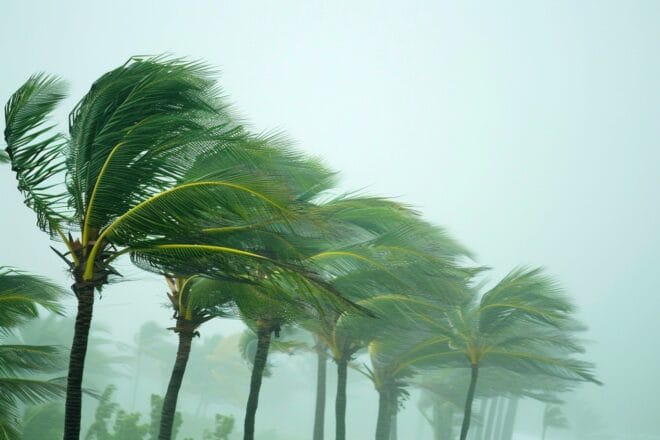
Florida Governor Ron DeSantis expressed relief that the worst-case scenario was avoided despite the storm's severity. He also discussed plans to mitigate future climate disasters.
Hurricane Milton in Florida: Less Devastating Than Anticipated
Florida was hit by Hurricane Milton, resulting in 11 deaths and leaving millions without power. Florida Governor Ron DeSantis commented, “The storm was significant, but thankfully, the worst-case scenario did not unfold.”
A Weakened Hurricane
After sweeping across Florida from west to east, Hurricane Milton weakened before making landfall. Governor DeSantis noted that the storm surge was less severe compared to Hurricane Helene, which struck the region two weeks earlier.
🌪 #Hurricane #Milton hit #Florida as a Category 3 storm from Wednesday night to Thursday. Damage was reported, but many residents felt relieved.
📺 @Alexandra_Layy @thomasdonzel pic.twitter.com/DIq3xhHI0j
— France TV Washington (@F2Washington) October 10, 2024
Devastation and Consequences
Despite its weakening, the hurricane caused significant damage. Tree branches and street signs littered the streets, and water levels rose between 2.4 to 3 meters in some areas. Over 3.1 million homes were left without electricity throughout Florida.
President Joe Biden urged residents to “stay indoors”, specifically to avoid “downed power lines, debris, and washed-out roads.”
The Impact of Climate Change
Climate change, by warming the seas, is intensifying these weather events. Record ocean temperatures are fueling these devastating storms, according to atmospheric scientist John Marsham. Recent hurricanes Helene and Milton exemplify the anticipated impacts of climate change.
Beyond human and material tolls, these hurricanes have also sparked a political debate between Republicans and Democrats over disaster relief.