In Afghanistan, Taliban Vow to Uphold Islamic Law
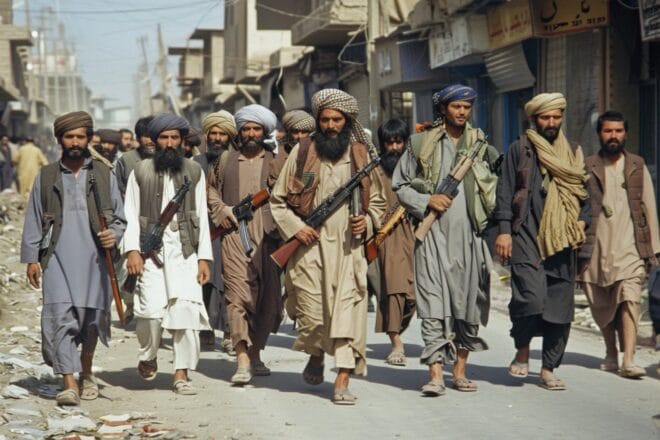
Three years into Taliban rule, Afghanistan remains among the most troubled nations, grappling with a stagnant economy, high unemployment, and a dire humanitarian situation. How could the country's circumstances improve?
Three Years of Taliban Rule
On August 14, global observers marked the third anniversary of the Taliban’s complete takeover in Afghanistan, starting with celebrations at the strategically significant former Western base of Bagram, emphasizing a stringent adherence to Islamic principles.
Prime Minister Hassan Akhund, in a speech at Bagram, asserted the Taliban’s commitment to maintaining Islamic law and urged authorities to remain vigilant.
Lavish and Guarded Celebrations
Following their unopposed capture of Kabul on August 15, 2021, the Taliban hosted a massive gala in the capital, attended by hundreds of guests and thousands of Afghans, celebrating their victory.
Despite the festivities, a substantial security presence was maintained to thwart potential Islamic State attacks.
Taliban’s Iron Grip
The Taliban have upheld an iron-fisted rule over one of the world’s poorest nations amid a severe humanitarian crisis, adhering to an ultra-conservative interpretation of Islamic law that bans any form of dissent.
They have also launched an extensive media campaign to bolster their image, yet their status remains unrecognized internationally due to severe social restrictions, particularly against women.
Improved, Yet Far from Ideal Diplomatic Relations
Although the Taliban have forged connections with neighboring countries, China, and Russia, and initiated dialogue with the West at the Doha talks in June, their pursuit of official international recognition is hindered by their poor human rights record.
However, as Human Rights Watch emphasizes, leveraging any collaborative efforts is crucial to pressuring the Taliban regime to enhance human rights conditions in Afghanistan.