In Ireland, Giant Kites Are Powering a Wind Energy Revolution
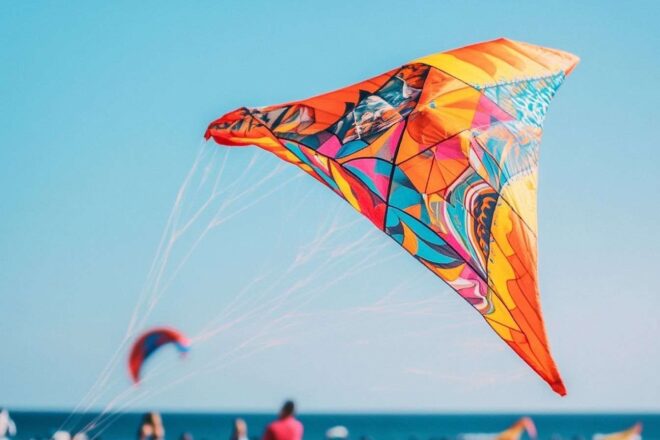
In Ireland, innovative giant kites are being used to harness wind power in a groundbreaking way. This new approach to wind energy generation could transform how electricity is produced, offering an alternative to traditional turbines and expanding renewable energy potential.
Tl;dr
- Innovative kites generate wind power in coastal Ireland.
- Fast, discreet installation compared to traditional turbines.
- Regulatory and technical challenges remain for wide adoption.
A Quiet Revolution in Irish Wind Power
There is a sense of quiet anticipation blowing across the windswept landscapes of Mayo, on Ireland’s Atlantic fringe. Here, far from the conventional silhouettes of wind turbines, vast white kites float high above the fields—a remarkable sight that marks the ambitions of the Dutch start-up, Kitepower. Led in part by Padraic Doherty, this team is pushing what they cautiously call a modest « revolution » in airborne wind energy.
The Technology: Kites as Power Generators
Unlike anything seen in conventional renewables, these kites—each spanning a formidable 60 square meters—are launched from simple hangars. Once attached to a ground-based generator by cable, teams guide them skyward to altitudes reaching 400 meters before letting them descend to around 190 meters. This repeated ascent and descent—« like a yo-yo or fishing reel », as Doherty explains—drives the generator on the ground. The result? A peak output close to 30 kW of power, which is stored in batteries akin to those found in solar installations. According to its developers, just one kite can recharge a battery boasting 336 kilowatt-hours.
Tangible Advantages and Early Successes
The promise of airborne wind energy lies not only in technical prowess but also in several practical advantages:
Remarkably, during storm Eowyn, when widespread outages struck across Ireland, the kite system maintained a steady supply of electricity—a feat that didn’t go unnoticed among researchers. For instance, Mahdi Salari from the University College Cork has highlighted how this approach, which harnesses high-altitude winds and offers flexibility, may suit remote or mobile sites particularly well.
Kitepower’s Road Ahead: Promise and Hurdles
Ireland already leans heavily on wind energy—with about a third of its electricity sourced this way, according to Wind Energy Ireland (WEI). Still, ambitions run higher; government targets include reaching 20 gigawatts offshore by 2040. Traditional turbines face logistical and administrative headwinds—from land availability and cost to complex permitting procedures. Could airborne systems fill some gaps?
Enthusiasm must be tempered with realism. Stringent regulations, heightened safety requirements, and questions about long-term reliability remain pressing concerns for innovators like those at Kitepower. Whether these flying giants will secure their place within Europe’s energy mix remains uncertain—but if success here in Mayo is any indication, the industry may be poised for an intriguing shift.