India to Implement Fees on Select UPI Transactions
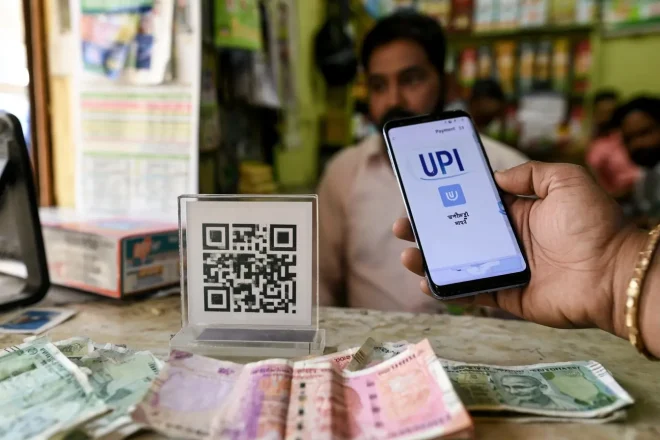
India is preparing to implement charges on select transactions made through its Unified Payments Interface (UPI) system, a move that could affect millions who rely on the popular digital payment platform for everyday financial activities.
TL;DR
- UPI to charge merchants for payments over 2,000 rupees.
- Customers remain unaffected by new transaction fees.
- Merchants face a significant shift in digital payment norms.
A New Chapter for India’s Digital Payments
The Indian digital payments landscape is about to experience a pivotal change. The widely-used Unified Payments Interface (UPI), overseen by the National Payments Corporation of India, is set to introduce transaction fees for certain high-value receipts—though only merchants, not customers, will feel the impact.
How the Policy Will Work
While customers can continue using UPI services at no additional cost, merchants now face charges for accepting payments exceeding 2,000 rupees per transaction. This threshold marks a clear departure from previous policies, where both parties enjoyed fee-free transactions regardless of amount. Several factors explain this decision:
- The ongoing need to sustain and expand the vast UPI infrastructure
- A desire to align with global standards for digital transaction models
- The increasing volume and value of digital transactions across India
Implications for Merchants and Consumers
For countless small businesses and large retailers alike, the shift represents a new era. They must now consider these added costs when processing high-value sales through QR codes or other UPI-enabled solutions. While some may absorb these fees as a cost of doing business in a modern economy, others could weigh passing them on to consumers indirectly, perhaps through adjusted pricing structures or minimum transaction requirements.
Yet, from the perspective of shoppers—whether buying groceries at their neighborhood store or making bigger purchases—the change will be largely invisible. Customers are shielded from these charges and can continue to enjoy seamless cashless payments without fear of hidden costs.
The Road Ahead
As India continues its rapid transition toward a cashless society, such regulatory shifts highlight the delicate balancing act between fostering innovation and ensuring sustainability for service providers. By placing the burden on merchants while sparing end-users, the authorities appear keen on maintaining public enthusiasm for digital payments—even as they adapt business models behind the scenes. All eyes will now be on how merchants respond and whether this move prompts further adjustments in India’s dynamic fintech sector.