Intense Exercise and Missed Periods: Key Warning Signs Explained
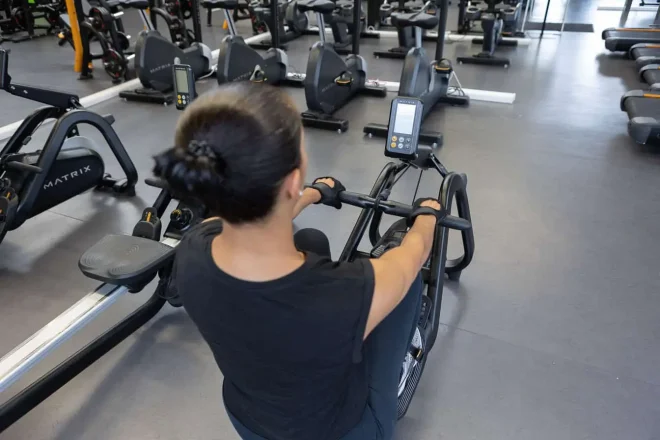
Engaging in intensive physical activity can sometimes lead to menstrual irregularities or missed periods. This phenomenon is a warning sign that should not be overlooked, as it may indicate underlying health concerns linked to overtraining or hormonal imbalance.
TL;DR
- Intensive training can disrupt athletes’ menstrual cycles.
- Prolonged disturbances may impact fertility.
- Athletes face unique reproductive health challenges.
Women’s Athletic Training and Reproductive Health: A Closer Look
The relationship between high-level athletic performance and reproductive health in women is a topic that continues to raise important questions among specialists. While many are aware that intensive physical activity shapes the body, fewer recognize the potential consequences such exertion can have on the menstrual cycle.
Training Intensity and Hormonal Disruption
Increased physical demands placed on female athletes—whether at a professional or competitive amateur level—often require rigorous, sustained training regimens. Such intense exercise routines have been associated with irregularities in the menstrual cycle, sometimes causing periods to become less frequent or even stop altogether, a condition known as amenorrhea. This disruption is typically linked to hormonal imbalances resulting from the body’s attempt to conserve energy during periods of extreme physical stress.
From Menstrual Changes to Fertility Risks
For some women, these changes may be temporary and resolve when training intensity decreases. However, experts warn that persistent disruptions over time could lead to more serious repercussions, including compromised fertility. Several factors explain this concern:
- Reduced estrogen levels can weaken bone density and affect reproductive organs.
- Chronic hormonal imbalances interfere with ovulation.
- The body’s prioritization of essential functions may suppress reproductive processes entirely.
These risks make regular medical monitoring crucial for female athletes who engage in strenuous activity.
The Importance of Awareness and Support
Though dedication and perseverance are hallmarks of successful athletes, awareness of these potential health impacts remains relatively low among both coaches and competitors themselves. Institutions such as sports federations and healthcare providers now emphasize the importance of education and proactive management for athletes facing disruptions in their cycles. Early intervention by specialists can help safeguard long-term well-being—preserving not only peak performance but also future family plans.
Navigating this complex balance between sporting excellence and overall health underscores the need for ongoing dialogue within both the sporting world and medical community about how best to support female athletes on all fronts.