iPhone 17 Battery Life Improvements: Which Models Benefit?
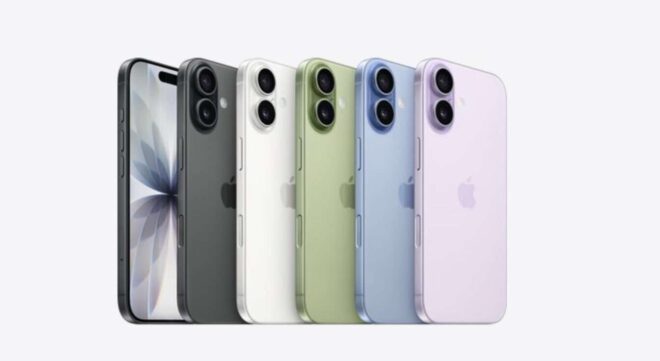
Apple / PR-ADN
Apple is making strides to improve battery life with its upcoming iPhone 17 series. However, these advancements will not be implemented across the entire lineup, indicating a selective approach to enhancing device autonomy for users.
TL;DR
- iPhone 17 Pro Max leads Apple in battery life tests.
- iPhone Air disappoints with limited endurance.
- Android rivals now outperform standard iPhone models.
Mixed Results in Apple’s Endurance Race
The new iPhone 17 series arrives at a moment when battery life remains a decisive factor for consumers choosing their next smartphone. While earlier generations of the iconic Apple device struggled to keep up, recent releases have shown undeniable improvements. However, with competition from Android manufacturers heating up, the question lingers: has Apple finally closed the gap?
Testing Grounds: From Pro Max to Air
A barrage of rigorous tests—continuous 5G browsing and fixed screen brightness at 150 nits—puts each model’s stamina to the test. The standout? Unquestionably the iPhone 17 Pro Max, boasting a robust 5,088 mAh battery and an impressive 17 hours and 54 minutes of use. This performance narrowly edges past the flagship Galaxy S25 Ultra, which managed 17 hours and 14 minutes, while leaving the Google Pixel 10 Pro XL trailing at just over 14 hours.
For users who value compactness without sacrificing much autonomy, the iPhone 17 Pro brings a pleasant surprise: clocking in at 15 hours and 32 minutes—a full upgrade from last year’s version. It’s now squarely among the market’s best-performing devices in this regard.
Yet not all is rosy across the board. The ultra-thin iPhone Air, despite its sleek design, delivers only 12 hours and 2 minutes—outperformed by the slimmer rival Galaxy S25 Edge. It seems design ambitions have come at the expense of lasting power.
The Standard Model Faces Tough Rivals
Turning to the standard iPhone 17, progress appears modest: just four extra minutes compared to its predecessor, even with an increased battery capacity (3,692 mAh). When pitted against Android rivals like the base Galaxy S25—which achieves over 15 hours—or even recent iterations of the Google Pixel, Apple’s offering now risks looking outdated.
Several factors explain this growing divide:
- The OnePlus 13: setting a record with nearly twenty hours.
- The Galaxy S25 Plus: comfortable lead at almost seventeen hours.
- The latest Pixels: finally catching up and sometimes overtaking Apple.
The Consumer’s Dilemma: Priorities and Trade-offs
Those seeking maximum endurance within the Apple ecosystem will likely gravitate toward the Pro Max. Meanwhile, the standard Pro strikes an interesting balance between size and stamina. Other versions may struggle to justify their place given relentless innovation from Android brands. For many buyers, weighing autonomy against portability—and price—has never been more complex as benchmarks climb across Cupertino and beyond.