iPhone 17: Battery Life Still Shrouded in Uncertainty
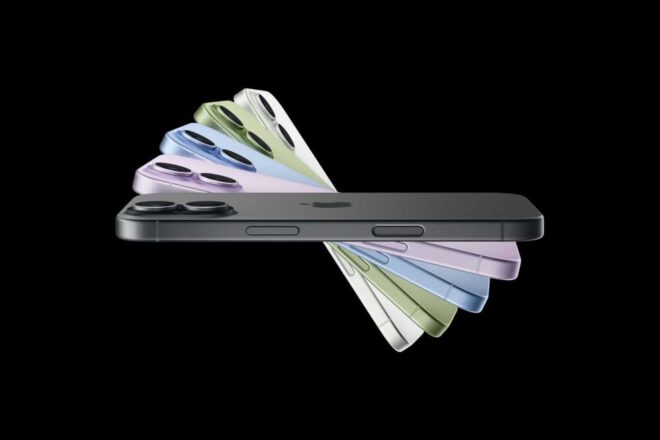
As anticipation builds around the release of the iPhone 17, many consumers remain in the dark about its battery life. Apple has yet to disclose official details, leaving questions about potential improvements to autonomy unanswered.
TL;DR
Apple’s Battery Silence Continues
As pre-orders open for the eagerly awaited iPhone 17 lineup, many consumers find themselves grappling with a familiar dilemma: how long will these new devices actually last between charges? While anticipation mounts, Apple remains as elusive as ever regarding the precise battery capacity embedded in its latest models. This year, like every year before it, those critical numbers remain absent from official documents.
Batteries: Numbers We Don’t See, Estimates We Get
Instead of transparent specifications, Apple once again restricts itself to publishing vague estimates—mainly focusing on video playback durations. For instance, the newly unveiled iPhone 17 Pro Max is said to achieve up to 39 hours of local video playback (35 via streaming), a figure that naturally draws attention. On the other hand, the ultra-thin iPhone Air, with its striking 5.64 mm profile, only manages an estimated 27 hours. Such statistics offer some context but stop well short of providing true clarity.
Interestingly, subtle design choices make their mark here: the iPhone Air, because of its slender frame, houses a smaller battery. Users are encouraged to consider external solutions like a MagSafe battery if they wish to stretch usage further—a suggestion that seems at odds with the device’s minimalist philosophy. Even more nuanced is the observation that eSIM variants provide marginally better endurance than those with physical SIM cards due to internal space constraints.
Evolution Compared to Previous Generations
A close look at the improvements reveals:
Last year’s lineup already set solid benchmarks; the iPhone 16 Pro Max, for example, achieved more than seventeen and a half hours in web browsing tests—a notable feat in real-world conditions.
The Verdict Awaits Real-World Testing
With hardware advances such as the new A19 chip, expectations are high for further gains in efficiency and battery life across most models. Yet there remains a degree of caution; definitive conclusions will depend on upcoming independent reviews. If history is any guide, only hands-on experience can confirm whether this generation’s blend of software optimization and silicon upgrades truly delivers what users hope for—especially when it comes to balancing power and portability in everyday life.