Is the iPhone 16 Truly Going Green or Just Offering Greenwashing?
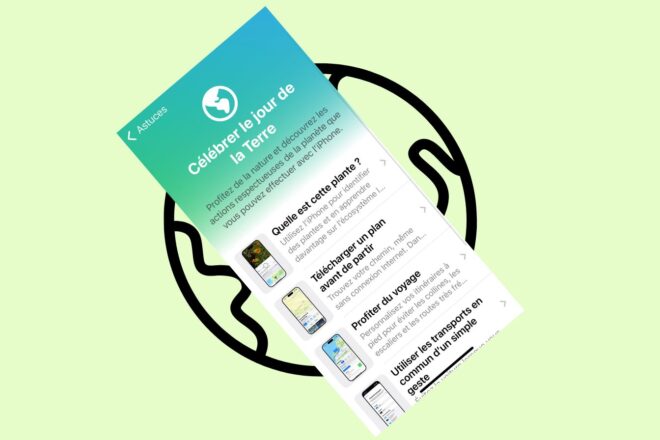
Apple présente l’iPhone 16 comme un produit plus écologique, mettant en avant des matériaux recyclés et une réduction de l’empreinte carbone. Mais ces initiatives suffisent-elles réellement à répondre aux attentes environnementales croissantes des consommateurs ?
Tl;dr
- Apple focuses on reduced environmental impact for iPhone 16.
- Recycled materials now key in manufacturing strategy.
- Extending device lifespan outweighs recycling alone.
The Unseen Carbon Footprint of Smartphones
When considering the journey of a modern smartphone, few realise the true environmental weight that each device carries. From extraction of rare metals to global transport and energy-intensive assembly lines, an iPhone produces between 50 and 76 kg of CO₂ over its lifetime. Notably, around 80% of these emissions are generated even before the device is switched on—a stark reminder that the bulk of a smartphone’s impact remains largely invisible to consumers.
Apple’s Recycled Ambitions for the iPhone 16
As environmental scrutiny intensifies, Apple has recalibrated its approach, putting sustainability at the forefront. Since 2015, the company claims it has cut its greenhouse gas emissions by over 55%. The latest model, the iPhone 16, takes this commitment further by incorporating more than 30% recycled materials: the casing now uses 85% recycled aluminium, batteries are made with 100% recycled cobalt, and magnets rely exclusively on recycled rare earth elements. These measures mark a step toward Apple‘s ambition to achieve carbon neutrality by 2030.
Several elements illustrate this shift:
Sustainability Beyond Recycling: The Value of Device Longevity
Yet, behind these advancements lies a more complex reality. According to ADEME, nearly 60% of a smartphone’s environmental impact stems from its production. Thus, while recycling plays a crucial role, extending a device’s lifespan—by repairing it, choosing refurbished models, or resisting yearly upgrades—remains fundamentally important. It’s a perspective often overshadowed by marketing messages promoting new features and greener designs.
Towards Responsible Digital Habits
Ultimately, while Apple‘s recent moves represent significant progress towards more responsible design, they also prompt us to reconsider our relationship with connected devices. As one industry observer aptly put it: « The greenest smartphone is still an industrially complex product ». Striking a balance between technological innovation and genuine digital sobriety may prove to be the real challenge for both manufacturers and users alike.