Is the iPhone 17 Air Set to Embrace eSIM Technology?
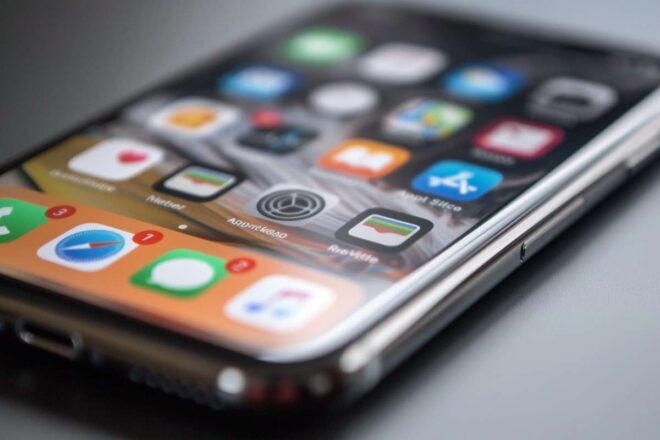
Apple appears to be moving forward with eSIM technology for its upcoming iPhone 17 Air model, suggesting a possible shift away from traditional physical SIM cards and pointing to a streamlined, digital approach for mobile connectivity in the future.
Tl;dr
Apple Prepares Europe for eSIM Shift
Change is brewing across Europe as Apple quietly orchestrates a significant transition in mobile connectivity. This week, information from Macrumors revealed that staff at Apple-authorized retailers—both official stores and certified partners—are being prompted to undergo « training on managing eSIM-compatible iPhones » via the SEED internal app. The timing, just ahead of the anticipated launch of the ultra-thin iPhone 17 Air, strongly suggests that the end of the physical SIM card could be imminent far beyond US borders.
An Industry Already in Motion
The United States, for its part, has long since embraced this digital shift. Since the arrival of the iPhone 14, American users have only had access to models equipped with an eSIM. Adoption there appears seamless, while in Europe and many other regions, consumers could still opt between digital and traditional SIMs. Now, however, it seems that balance is tipping—with Apple’s global ambitions driving a uniform approach.
The Thinner Future: Design Over Tradition?
What’s fueling this push? Partly, it’s the race for ever-sleeker devices. Persistent rumors peg the new iPhone 17 Air at a remarkable 5.65 mm at its thinnest point—a design feat made more feasible by eliminating space-hungry hardware like SIM trays. But industry observers also point to Apple’s determination to standardize features across markets. Curiously, just weeks after a similar move from Google with its Pixel 10 line in the US, speculation mounts about whether Apple will extend eSIM-only activation to all models or restrict it to the Air variant.
For consumers pondering what this actually means, a few concrete implications come to mind:
Toward a Global Standard?
With Apple accelerating internal training and design changes on a global scale, questions linger over how quickly other regions—and rival manufacturers—will follow suit. Many are looking ahead to September 9, 2025: Apple’s expected unveiling event may finally confirm if this marks the definitive end for the physical SIM card outside America.
One thing seems clear: as tradition gives way to technological minimalism, Apple appears set on hastening the gradual disappearance of the classic SIM—nudging both users and competitors into a future where connectivity is fully digital.