James Cameron Reveals His Titanic Survival Strategy Tips
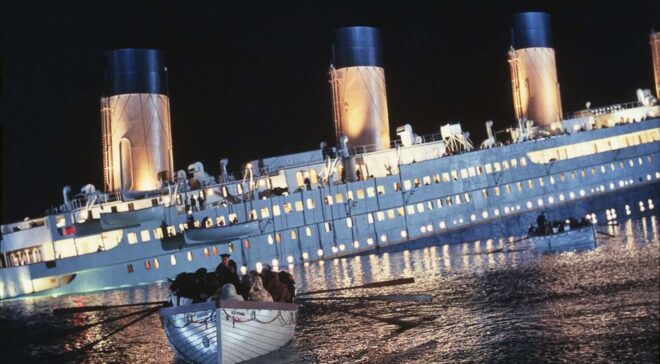
Paramount Pictures / PR-ADN
Renowned filmmaker James Cameron has revealed his own approach to surviving the sinking of the Titanic, offering insights grounded in his extensive research and firsthand experiences exploring the shipwreck. His perspective sheds new light on historical survival strategies.
TL;DR
- James Cameron revisits the Titanic survival debate.
- He proposes an empathetic, collective survival strategy.
- The film’s enduring questions still captivate audiences.
Reexamining Survival on the Titanic
With the iconic film Titanic still streaming on platforms like Disney+, debates persist among moviegoers and historians alike. At the heart of ongoing discussions: could Jack Dawson, played by Leonardo DiCaprio, have survived the disaster? While fans have dissected every detail for over two decades, a fresh perspective has emerged from none other than the film’s director, James Cameron.
Cameron’s Human-Centric Survival Tactic
Recently, during an interview with American outlet THR, Cameron entertained a hypothetical: what if he himself had been a second-class passenger aboard the doomed vessel? Instead of resorting to some clever technical workaround or secret knowledge of the ship’s layout, his answer offered an unexpected glimpse into both human nature and group psychology.
Cameron suggested that, in a life-or-death scenario, he would bide his time amidst the chaos before plunging into the frigid Atlantic just as a lifeboat was being lowered. The calculated move? To rely not on his own heroics but rather on the empathy of others—hoping those aboard might pull him out of the water at the last moment. As he put it: “Most wouldn’t have had the courage to jump themselves. But knowing the ship was sinking and not already being in a boat, your best shot was to try just before it left.”
The Harsh Realities of History
Yet this approach collides head-on with historical records. During the actual tragedy, widespread panic and desperation frequently overwhelmed compassion. The notion that a lone swimmer could expect rescue—especially at such a critical juncture—seems almost at odds with accounts of how fear and social barriers shaped decisions.
Several factors explain this skepticism:
- Pervasive panic eroded trust between passengers.
- Class divisions often dictated who got help first.
- The threat of hypothermia made lifeboat occupants wary.
Even within Cameron’s own narrative, questions about altruism linger. Why didn’t Rose share her makeshift raft with Jack? If even she faltered in her moment of truth, can we truly count on strangers’ generosity?
A Film That Continues to Inspire Debate
Nonetheless, Cameron’s remarks reignite interest in not just cinematic speculation but also deeper truths about collective behavior during crisis. The legend of the Titanic, much like our fascination with its fate, endures precisely because it compels us to ask where empathy ends and self-preservation begins—a conversation as relevant now as ever.