James Cameron Warns About the Dehumanization of Modern Cinema
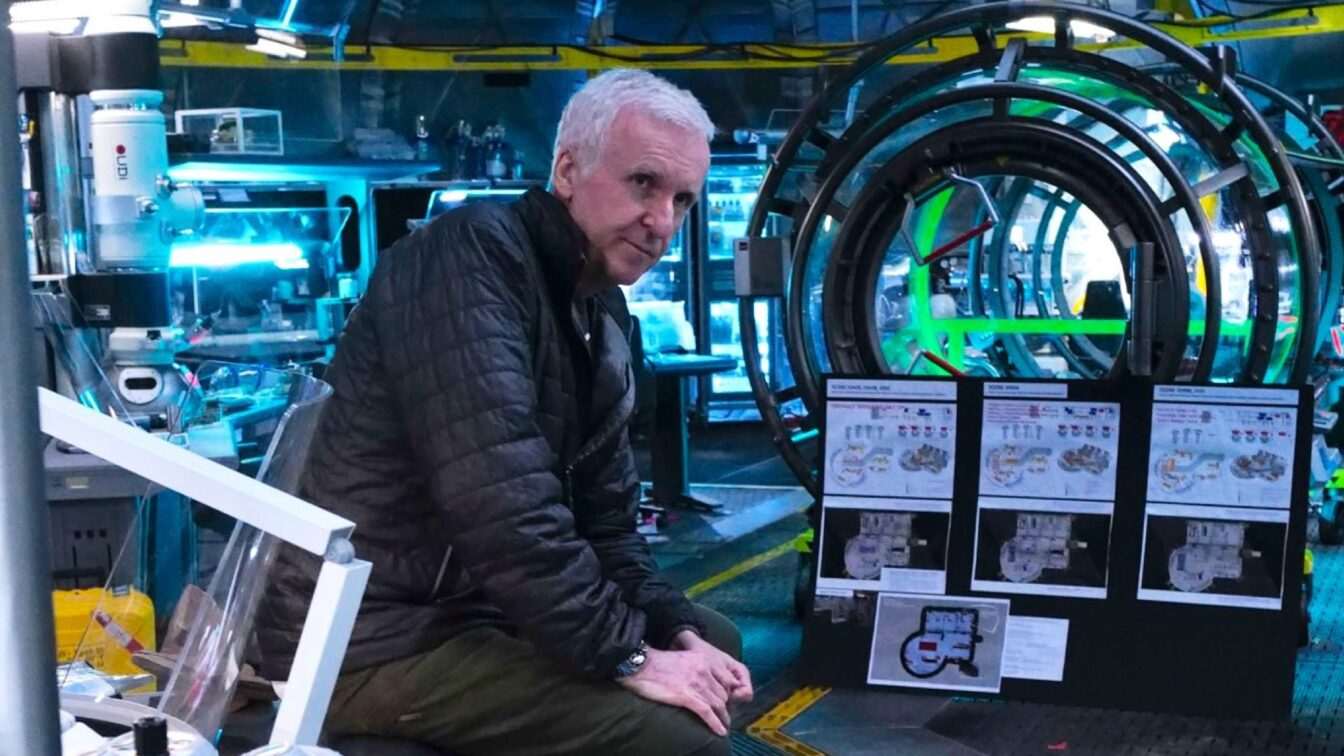
Lightstorm Entertainment / PR-ADN
Renowned filmmaker James Cameron has raised concerns about the increasing lack of humanity in modern cinema, warning that technological advances may be overshadowing storytelling and authentic human connection within the film industry.
TL;DR
- James Cameron warns against dehumanized, actor-less filmmaking.
- He fears AI could stifle cinematic creativity and jobs.
- The human element remains central to true cinema, he says.
A Softer, Yet Still Passionate Visionary
Over the decades, colleagues and crew members have observed a notable transformation in James Cameron. While tales of his earlier, uncompromising approach—think of the infamous day on the set of The Abyss when Mary Elizabeth Mastrantonio stormed off shouting “We are not animals!”—still circulate in industry circles, many now describe a filmmaker who has mellowed without losing his edge. Yes, anecdotes persist: during the filming of Avatar, errant mobile phones occasionally met their fate nailed to the wall for interrupting takes. Yet these stories pale compared to Cameron’s current reputation for thoughtful reflection and an unwavering advocacy for the heart of filmmaking—the actor.
The Irreplaceable Human Touch
Recent experiences have only reinforced Cameron’s stance. When invited to serve as a judge for a student short film contest in New Zealand, he found himself alarmed by a new trend: not one aspiring director mentioned casting or the craft of acting while presenting their work. The omission struck him as symptomatic of a worrying shift. “I fear that an entire generation might think you can make films without actors,” he commented, voicing concern that emerging technologies could overshadow the essential human presence on screen.
The Shadow of AI in Cinema
The topic has become particularly pressing as advances in artificial intelligence accelerate. In conversation with The Hollywood Reporter, Cameron explained his nuanced perspective: while supportive of digital tools that enhance visual effects or streamline production—as long as they do not eliminate vital jobs—he remains wary of any move that would sideline actors or reduce their contributions to mere data points. The 2023 strike by the Screen Actors Guild, sparked by concerns over unapproved body scans and image rights, underscored these anxieties and resulted in new legal protections for performers.
A Call to Protect Creativity
Several factors explain this urgency:
- The unique performances delivered by artists such as Sam Worthington, Zoe Saldaña, and others are what imbue projects like Avatar with genuine soul.
- An overreliance on algorithm-driven filmmaking risks diluting cinematic artistry.
- Cameron believes that unless industry leaders vocally champion creativity and human skill, technological convenience may give rise to what he calls an “anti-creative” aesthetic.
Ultimately, technical innovation alone cannot replace the irreplaceable—those moments born from living performances on set. For Cameron, this is not just nostalgia; it is a rallying cry to defend cinema’s very core against creeping automation.