John Woo Action Scenes: Influences and Surprising Inspirations Explained
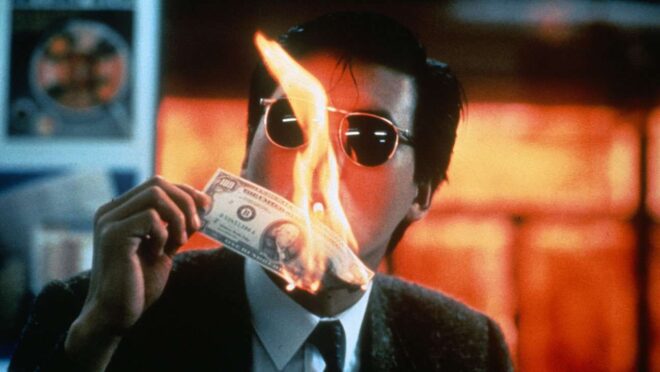
Golden Princess Film Production / PR-ADN
John Woo’s signature action sequences are renowned for their stylized intensity, but their origins are rooted in an unexpected blend of cinematic influences. The acclaimed director draws inspiration from a wide range of surprising sources, shaping his unique approach to action filmmaking.
TL;DR
- John Woo fuses elegance and violence in action cinema.
- His style blends gun-fu, European influences, and romanticism.
- Woo redefined action choreography as visual poetry.
A New Language for Action: The Signature of John Woo
Few filmmakers have managed to reshape the core of the action genre as profoundly as John Woo. Rather than simply delivering visceral thrills, his work elevates cinematic violence to an art form. From his breakthrough with Le Syndicat du crime, he has left an unmistakable mark on global cinema, transforming not just what we see on screen, but how we interpret motion, conflict, and emotion.
The Artistry Behind Gun-Fu
When exploring what sets Woo apart, it is essential to understand his vision—one that transcends traditional action boundaries. As he himself explains, creating an action film isn’t about orchestrating mayhem for its own sake: “It’s like painting or poetry, sometimes even a musical… Everything lies in the beauty of movement and combat technique.” Here, the influence of both French New Wave directors such as Jean-Pierre Melville, and American westerns is clear. Yet perhaps most innovative is Woo’s transformation of Eastern martial arts choreography into the audacious ‘gun-fu’: a discipline where firearms become instruments in a deadly ballet.
A Blend of European Romanticism and Hong Kong Grit
What is striking about Woo’s filmmaking is his candid embrace of European artistic traditions. Drawing inspiration from works like Jacques Demy‘s Les Parapluies de Cherbourg, he seeks to infuse his movies with a distinct sense of romanticism. This guiding principle can be seen not only in narrative choices but also in aesthetics: there’s a particular elegance in giving a hero two pistols rather than a machine gun—a decision that highlights the actor’s movement and the drama within chaos.
Several factors explain this unique approach:
- An admiration for European emotional storytelling.
- A drive to turn violence into visual choreography.
- The desire to humanize iconic action figures like Chow Yun-fat.
The Dance Within Destruction
Throughout Woo’s career, each meticulously crafted scene balances sophistication with brutality—his so-called “bullet ballets” are never mere shootouts. Instead, they achieve an unexpected lyricism; characters might exchange biting insults mid-air as they spin through sprays of gunfire. While not every experiment lands equally well—his take on Mission: Impossible 2 remains divisive—Woo has undeniably recast cinematic violence as something at once beautiful and stirring.
Ultimately, what resonates in Woo’s legacy is ambition: transforming the chaos of armed conflict into an expressive, almost poetic spectacle—a feat few have dared attempt or rivaled since.