Kenya Elephant Deaths: Unsolved Mystery Surrounding 20 Fatalities
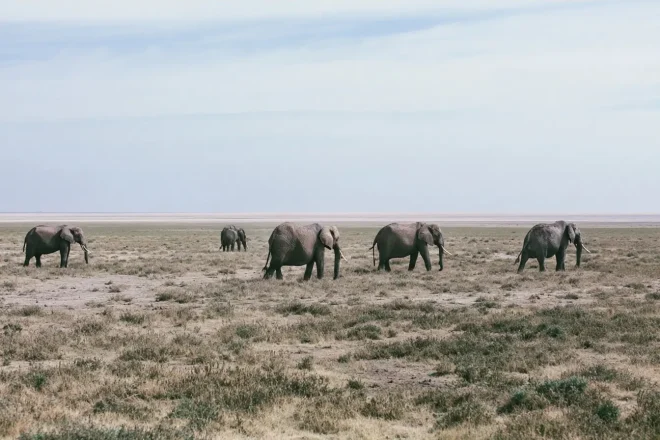
In Kenya, the unexplained deaths of twenty elephants have raised serious concerns among conservationists and authorities. The cause remains unknown, prompting investigations as experts seek answers to protect the country’s vulnerable elephant population.
TL;DR
- Amboseli sees mysterious elephant deaths with shared symptoms.
- Experts unsure: illness, cyanide, or poisoning all suspected.
- No clear cause found despite ongoing investigations.
A Growing Mystery in Amboseli
In recent weeks, the iconic plains of Amboseli have become the center of concern for conservationists after the unexplained deaths of at least 20 elephants. These majestic animals were discovered showing identical symptoms, a detail that has baffled both local authorities and international experts alike.
Theories and Uncertainties Surrounding the Deaths
Despite intensive investigations, those leading the inquiry remain at a loss. Several potential causes have been floated—some experts lean toward a new or rare disease, while others suspect deliberate acts such as cyanide use or other forms of poisoning. Yet, so far, each theory presents significant gaps.
The lack of convincing evidence for any single explanation has only deepened the enigma. For instance, traces typical of cyanide poisoning are absent from most sites, while pathological tests for infectious diseases have been inconclusive. This scientific uncertainty continues to frustrate everyone involved in protecting the region’s renowned wildlife.
Factors Adding to the Puzzle
Several factors explain this persistent mystery:
- The simultaneous onset of identical symptoms across all affected elephants.
- No pattern in age or sex among those lost.
- The sudden nature of these fatalities, occurring without warning.
Such circumstances defy easy answers and add urgency to calls for expanded surveillance and laboratory analysis.
A Race Against Time for Conservationists
While waiting for definitive results, concerns are mounting not only for surviving elephant populations but also for the wider ecosystem dependent on these animals. Many in the conservation community fear that any delay in understanding and addressing the root cause could risk further losses. In a region celebrated for its biodiversity and as a global symbol of wildlife heritage, such events cast long shadows over future efforts.
For now, Amboseli remains on alert as researchers intensify their search for answers—hoping that swift action can prevent more mysterious tragedies among Africa’s gentle giants.