Lab-Tested Socks That Make Walking Easier and More Efficient
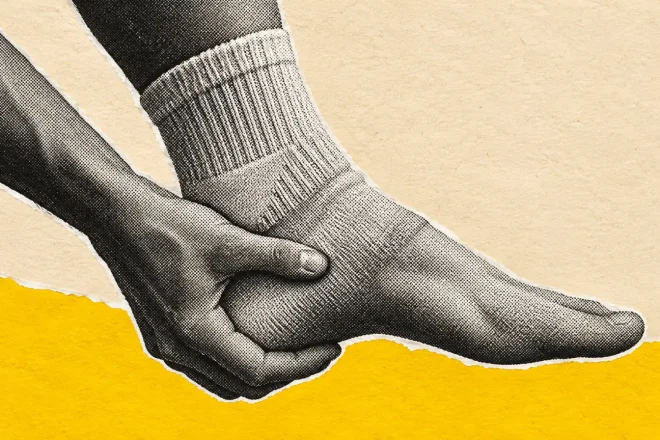
Recent laboratory tests have demonstrated that a particular type of socks can reduce the physical effort required for walking. Researchers observed improved walking efficiency, suggesting these socks may offer tangible benefits for everyday mobility and comfort.
TL;DR
- Innovative socks reinforce the foot’s natural arch.
- Lab tests show a 2% reduction in walking energy use.
- Potential benefits for daily activity and athletic performance.
A New Step Forward: The Science of Arch-Support Socks
Few people ponder their feet until discomfort strikes, but now, an inventive team of researchers may change how we think about every stride. Their recent breakthrough? Specially engineered socks that aim to bolster the foot’s own arch—potentially making each step a little less taxing.
The Technology Behind the Innovation
The heart of this project is a pair of socks designed to provide subtle rigidity to the plantar arch, a key structural element of the foot. In controlled laboratory conditions, these socks demonstrated remarkable results. By reinforcing the natural curvature beneath the foot, they achieved something both simple and significant: reducing the energy required for each step by approximately 2%.
Potential Impacts for Movement and Well-Being
Why does a mere 2% improvement matter? For many, particularly athletes or those spending long hours on their feet, even marginal gains in efficiency can have meaningful consequences. A slight decrease in energy expenditure per step might translate into enhanced endurance or reduced fatigue throughout daily routines or sports activities.
Several factors explain why this innovation could become widely adopted:
- The design is unobtrusive—no bulky inserts or specialized footwear required.
- Socks are already an everyday necessity, easing adoption for users.
- The scientific evidence points to measurable improvements, not just perceived comfort.
Looking Ahead: From Lab to Everyday Use?
While these findings come from a laboratory setting and further real-world trials remain necessary, early results ignite curiosity about broader applications. Will everyday commuters, elderly individuals with weakened arches, or professional runners see tangible benefits from donning these socks? Could this modest yet smart application of biomechanics inspire future developments in wearable health technology?
For now, this research invites us to consider how incremental improvements—in something as overlooked as a sock—may pave the way for better movement and well-being. If subsequent studies confirm these initial results, don’t be surprised if reinforced socks soon appear alongside other essential gear in stores catering to those seeking that elusive extra edge in comfort and performance.