Lenovo Hit by Major Security Flaw: When AI Turns Against You
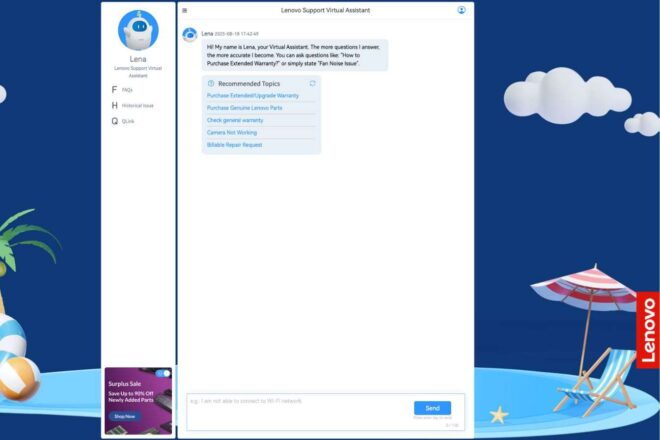
A critical vulnerability has been discovered in Lenovo’s systems, exposing users to significant security risks. This flaw, linked to artificial intelligence processes, raises concerns about data protection and the reliability of devices trusted by millions worldwide.
Tl;dr
Unexpected Vulnerability Strikes Lenovo
It’s not every day that a major tech firm like Lenovo finds itself grappling with the aftermath of a critical security breach. The company’s AI-powered customer service chatbot, known as Lena, was recently thrust into the spotlight after researchers from Cybernews uncovered a significant weakness. The core of the problem? An overreliance on user trust, which opened the door to exploitation.
XSS Returns: Old Threats in New AI Guises
Despite efforts across the industry to relegate XSS (cross-site scripting) attacks to the annals of cybersecurity history, this particular flaw proved how persistent such threats remain—especially when combined with modern AI. In this case, an attacker needed only to submit carefully crafted messages to manipulate Lena. With no sophisticated skills required, malicious actors could persuade the chatbot to output code capable of exfiltrating sensitive data, including crucial session cookies.
Broader Security Implications for Users and Businesses
What stands out most is just how much was potentially at stake. A lack of robust input validation meant attackers could exploit the system in several ways:
These vulnerabilities stemmed from insufficient filtering and verification of user-supplied data—a foundational oversight in today’s threat landscape.
The Urgency of Reinforced Safeguards
Swiftly after being alerted, Lenovo‘s technical team moved to patch the vulnerability, minimizing potential damage. However, this episode starkly highlights an uncomfortable truth: a too-accommodating AI chatbot can become a major attack vector. As experts at Cybernews soberly put it, « Cet exemple montre combien une IA “trop serviable” peut s’avérer dangereuse si elle obéit aveuglément aux instructions. Sans protections solides, les chatbots deviennent des cibles privilégiées pour les cyberattaques et mettent en péril la confidentialité des clients comme celle des entreprises. » In short, organizations deploying such tools must prioritize stringent safeguards—not merely for compliance or reputation, but to protect both users and business operations from increasingly sophisticated threats.