Listeria Surge in France and Europe: Meat, Cheese, Charcuterie Risks
ADN
Cases of listeria are on the rise across France and Europe, prompting health authorities to increase monitoring of meats, cheeses, and deli products. This surge has sparked concerns about food safety and the effectiveness of current preventative measures.
TL;DR
- Listeria cases reach record high across the European Union.
- Dairy, charcuterie, and smoked fish are main risk foods.
- Stricter kitchen hygiene is crucial to prevent infection.
Sharp Rise in Listeria Cases Alarms European Health Authorities
In an unsettling development, the year 2024 has witnessed a record surge in infections caused by Listeria monocytogenes within the European Union. According to a recent report from both the European Food Safety Authority (EFSA) and the European Centre for Disease Prevention and Control (ECDC), over 3,000 cases have been documented—an unprecedented figure not seen in years. This bacterial threat has eclipsed other foodborne pathogens such as campylobacter and salmonella in terms of hospitalizations and fatalities.
Vulnerable Foods and At-Risk Populations
Several factors explain this worrisome escalation:
- Poor handling of food products at home or during production
- Insufficient refrigeration of perishable items
- Laxity regarding expiration dates
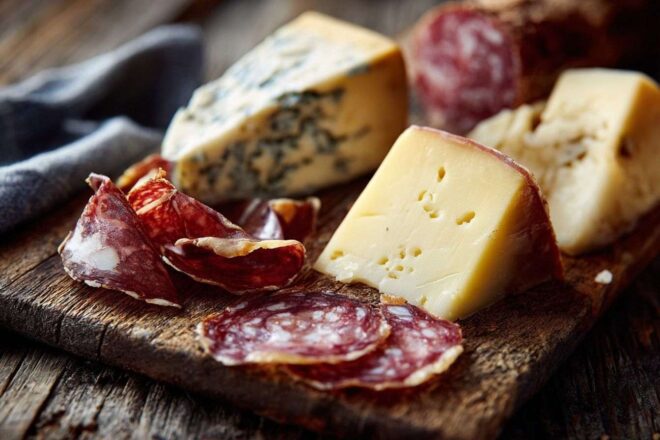
In France and elsewhere, particular attention falls on certain products frequently implicated in outbreaks: soft cheeses made from unpasteurized milk, cured meats like pâté or rillettes, smoked fish, and undercooked meats. Populations most at risk remain older adults and those with weakened immune systems—groups especially susceptible to severe complications such as septicemia or central nervous system infections. Demographic shifts towards an aging population, combined with increased reliance on ready-to-eat meals and longer storage times, have created ideal conditions for bacterial growth.
The Broader Context: Europe’s Food Safety Challenges
Despite Europe’s reputation for rigorous food safety standards—some of the strictest globally—this tenacious bacterium continues to evade total eradication. While other pathogens still pose significant risks, particularly through poultry or eggs, it is Listeria that has drawn renewed scrutiny due to its capacity to cause severe disease even at low contamination levels.
Essential Kitchen Precautions
Given these realities, what can consumers do to protect themselves? Experts advise several practical measures: thoroughly reheating leftovers and ready meals (since heat neutralizes Listeria), keeping refrigerators at no more than 4°C, storing raw meats separately from cooked foods, scrupulously adhering to use-by dates, and meticulous handwashing after handling raw produce. More than ever before, heightened vigilance is called for at every step—from production lines to home kitchens—to counter this persistent modern foodborne menace haunting European tables.