Living Near Green Spaces May Reduce Dementia Risk More Than Expected
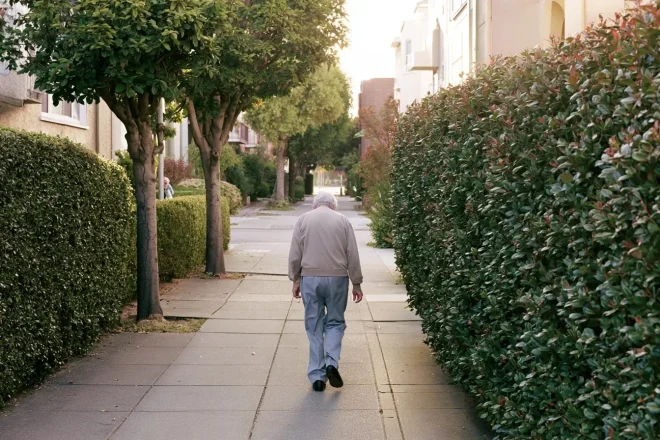
Recent findings suggest that proximity to green spaces may play a more significant role in dementia prevention and management than previously understood, highlighting the potential benefits of natural environments for cognitive health and overall well-being in affected individuals.
TL;DR
- Study links nearby greenery to lower dementia risk.
- Impact is strongest within close home proximity.
- Findings based on Swedish population data.
New Insights from Swedish Research
Could a leafy street or an abundance of nearby trees help shield older adults from dementia? According to a recent study conducted by researchers in Sweden, the presence of lush vegetation immediately surrounding one’s home could indeed play a role in lowering the risk of developing this cognitive disorder.
The Science Behind Green Spaces and Cognitive Health
The research team analyzed extensive population data, tracking individuals over several years to explore connections between residential greenery and the incidence of dementia. What emerged was a striking trend: those living in homes with dense foliage or green areas within very short distances—think the immediate block or garden—demonstrated a noticeably lower risk compared to residents in more urbanized, concrete environments.
Why Proximity Matters Most
Several factors explain this apparent protective effect:
- Physical activity is often higher among people who have green spaces at their doorstep, encouraging regular movement and social interaction.
- Stress reduction, thanks to natural surroundings, may support overall brain health and delay cognitive decline.
- Air quality improvements in greener neighborhoods could mitigate certain environmental risks linked to dementia.
Interestingly, the benefit was strongest for vegetation located closest to people’s homes. The farther away the greenery, the less pronounced the association with reduced dementia risk.
The Broader Context: Urban Planning and Public Health
While the study focused on populations in Sweden, its implications resonate globally as cities grapple with aging demographics and increasing rates of dementia. Urban planners and public health officials might take note: integrating accessible green spaces into residential areas isn’t just aesthetically pleasing—it may also serve as a subtle but effective tool for safeguarding mental health in older age.
These findings invite further exploration into how our immediate environment shapes long-term brain health. And while not a panacea, nurturing neighborhood greenery could represent a simple yet impactful strategy against the growing challenge of dementia.