Mark Carney Leads Victory in Canada’s Parliamentary Elections
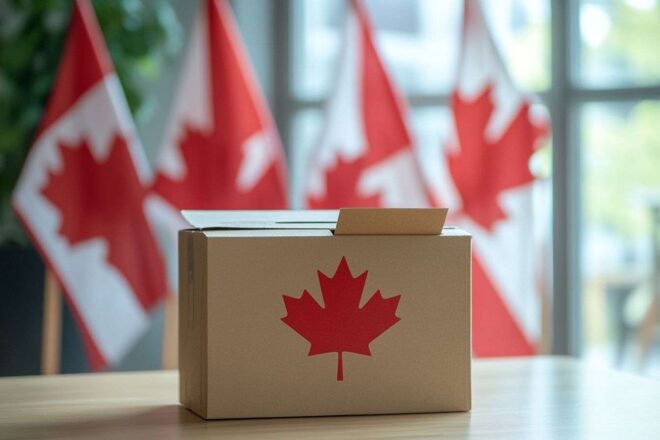
Mark Carney s’impose lors des élections législatives au Canada, obtenant ainsi la majorité nécessaire pour former un nouveau gouvernement. Ce résultat marque une étape importante dans la vie politique du pays et ouvre une nouvelle ère de gouvernance.
Tl;dr
- Liberals win Canadian elections amid Trump-related tensions.
- Mark Carney remains Prime Minister, Poilievre concedes.
- Trump’s threats shaped the campaign and outcome.
The Shadow of Trump over Canada
While many anticipated a routine election, the spectre of Donald Trump and his recent threats against Canada unmistakably altered the landscape. His talk of potential annexation and increased tariffs injected an unprecedented sense of urgency into national politics. It’s hardly surprising, then, that these anxieties dominated the campaign narrative, compelling voters to consider which candidate could best shield their interests in this new era.
Liberal Victory and Mark Carney’s Rise
With ballots now counted, projections from local media confirm a win for the Liberal Party. At its helm, Mark Carney—who had already been serving as interim leader following Justin Trudeau‘s resignation—will remain as Prime Minister. Although the final makeup of Parliament still awaits confirmation, preliminary figures place Carney firmly in the lead. There is nevertheless some uncertainty regarding whether he will command an outright majority.
A Novice Politician Facing Turbulence
Carney’s ascent is remarkable not only for his timing but also for his background. Known widely as a distinguished economist rather than a seasoned politician, he managed to persuade Canadians of his ability to guide the nation through these troubled waters. In response to American measures, he pledged to uphold Canadian tariffs on U.S. goods as long as Washington maintains its own barriers. Moreover, he outlined plans to strengthen internal trade and seek fresh opportunities overseas, with particular interest in Europe.
The Conservative Setback and Political Shifts
Several elements explain this outcome:
- The perceived closeness between Pierre Poilievre, leader of the Conservatives, and Trump alienated centrist voters.
- An electorate wary of U.S. unpredictability opted for continuity and expertise.
- The Liberal campaign’s focus on unity and resilience struck a chord amid external threats.
Interestingly enough, Poilievre swiftly acknowledged defeat and vowed collaboration with Carney to defend Canadian interests against what he described as an « unprecedented offensive » from south of the border. The result marks more than just a party victory—it signals the arrival of a new figure ready to confront uncertain times and steer Canada through evolving geopolitical challenges.