Murderbot Series: Fast-Paced, Direct Science Fiction Adventure
Apple / PR-ADN
Martha Wells’s acclaimed Murderbot series has captured the attention of science fiction fans with its fast-paced storytelling and direct, engaging narrative. The books focus on a self-aware security android navigating complex human dilemmas and futuristic corporate intrigue.
TL;DR
- Murderbot features unusually brief, punchy episodes.
- The format honors both the original novella and vintage serials.
- Fans miss deeper moments with supporting characters.
A Bold Structure for a Distinctive Sci-Fi Series
With its debut season, the Apple TV series Murderbot has already carved out a space as a refreshing presence within contemporary science fiction. Yet what stands out most—beyond its unconventional storytelling—is the striking brevity of each episode, most clocking in under 25 minutes. This rapid-fire pacing feels especially daring in an era where action and drama often demand nearly an hour per installment.
Short Episodes: A Calculated Creative Decision
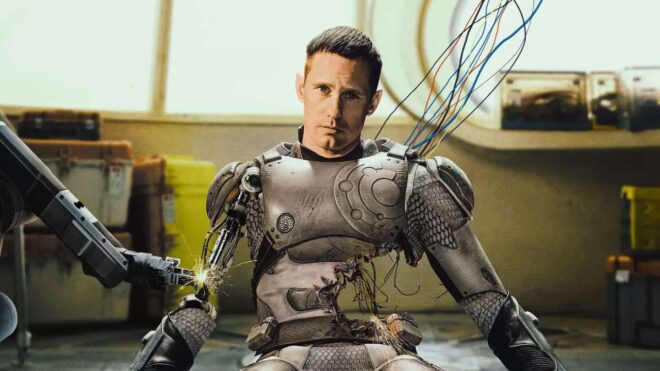
This concise structure is far from accidental. Creators Paul and Chris Weitz deliberately grounded their adaptation in the compactness of Martha Wells’ original novella, All Systems Red, itself just 140 pages long. Instead of padding the narrative with filler, they opted to maintain its intensity and spirit, refusing to dilute what makes it unique. This approach closely aligns with the personality of Murderbot’s central figure, brought to life by Alexander Skarsgård. While some viewers might feel slightly shortchanged when the credits roll so soon, perhaps that’s only evidence of the series’ efficiency—and its ability to leave audiences wanting more.
Nostalgic Echoes of Classic Serials
Interestingly, these brief episodes pay quiet homage to classic television serials that once dominated popular culture. As Chris Weitz noted, “It’s a serial—a little like those Murderbot enjoys watching himself.” The creators purposefully bypass lengthy exposition and boardroom debates typical of much science fiction, opting instead for a swift succession of essential moments—almost like curating an album filled only with standout pop tracks. This stylistic choice not only preserves narrative momentum but adds a meta-textual layer: Murderbot’s own obsession with fictional series such as The Rise and Fall of Sanctuary Moon finds a real-world echo in the show’s form.
The Human Touch: Supporting Cast Underused?
Yet there remains a shared regret among fans—these brisk chapters sometimes come at the cost of richer interactions with the Preservation Alliance team. Each member, from the reticent Gurathin (David Dastmalchian) to other distinct personalities, risks fading into the background as future storylines evolve. Several factors explain this concern:
- Lack of screen time for beloved side characters;
- The possibility of shifting focus away from ensemble dynamics;
- A fear that warmth and camaraderie might diminish as new faces appear.
Despite this bittersweet trade-off between pacing and depth, it’s clear that Murderbot, through both loyalty to its literary roots and winking references to genre history, stands out as an original experiment—a series whose only flaw may be that it ends too soon.