Netflix’s Last Samurai Standing: Bloody New Survival Drama
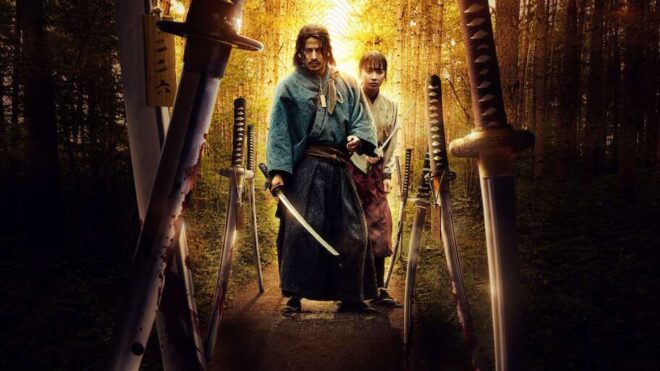
Netflix / PR-ADN
Netflix has unveiled its latest action-packed phenomenon, a blood-soaked saga that is quickly captivating audiences. This new release thrusts viewers into a brutal world of warriors and vengeance, earning widespread attention for its intense storytelling and striking visuals.
TL;DR
- Last Samurai Standing quickly entered Netflix’s global Top 3.
- The series adapts a manga, skipping the usual anime route.
- Comparisons to Squid Game, but with brutal samurai combat.
A New Japanese Drama Dominates Global Streaming
On November 13, 2025, a new contender shook up the international streaming landscape: Last Samurai Standing. Within just days of its debut, this intense Japanese series surged into the Top 3 most-watched shows worldwide on Netflix, turning heads with its savage visuals and relentless energy. The rapid ascent brings to mind the viral success of South Korea’s Squid Game, though here we find ourselves in an entirely different world—one shaped by the unforgiving code of the samurai.
Manga Roots Brought Directly to Live-Action
Unlike so many previous hit series that transitioned from page to screen via animation, this title has charted a singular course. Originating in 2022 as a manga penned by Shogo Imamura and published by Kodansha, the story bypassed an animated adaptation altogether. Instead, it landed straight on television screens, giving viewers a fresh perspective on a universe still unfolding in print. The ongoing manga continues to expand upon this vision of a blood-soaked feudal Japan, rife with turmoil and ambition.
An Unforgiving Competition Under the Meiji Sun
Any temptation to label the show as simply “the next Squid Game” underestimates its distinct identity. At the heart of Last Samurai Standing, nearly three hundred warriors—including both assassins and traditional samurai—are thrust into a merciless competition during Japan’s Meiji era. The stakes? A significant cash prize for the last fighter alive. Actor Junichi Okada leads as Shujiro Saga, battling his way through a staggering two hundred ninety-one rivals—a spectacle of violence that arguably exceeds even its Korean predecessor. This extreme brutality sets a high bar for future contenders in the survival genre.
Several factors explain why this production has garnered such attention:
- A novel narrative approach rooted in ongoing source material.
- A visually arresting portrayal of historical violence and honor.
- The cultural resonance of samurai ethics within modern entertainment.
The Streaming Frontier: Old Values, New Formats
It remains uncertain whether fans will see a second season or if this experiment will inspire similar projects elsewhere. As Netflix’s rivals explore reality TV spin-offs—witness the recent launch of “Squid Game: The Challenge”—it seems unlikely that such adaptations could capture the fierce spirit embodied by these fictional samurai duels. What is clear, however, is that audiences remain hungry for bold storytelling that melds tradition with innovation. With established franchises like Stranger Things nearing their twilight, fresh concepts like Last Samurai Standing may well chart the next chapter for global streaming giants.