New Discovery Boosts Energy in Aging Cells for Longevity
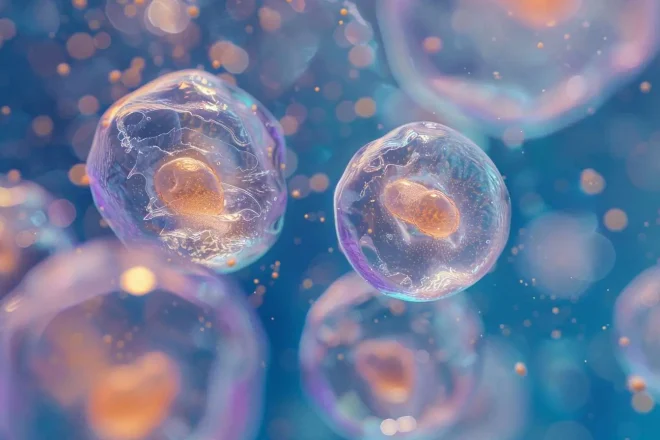
Researchers have identified a promising approach that could restore energy levels in aging cells, potentially addressing a key factor in the aging process and opening new avenues for therapies aimed at improving cellular function in older adults.
TL;DR
- Study links lipid decline to mitochondrial aging.
- Findings observed in both worms and human tissue.
- Discovery opens new research avenues on aging mechanisms.
Unexpected Insight Into Aging: The Role of Lipids
A recent study has illuminated a fascinating connection between a drop in a particular lipid and the aging of mitochondria—those tiny but mighty organelles often dubbed the “powerhouses” of our cells. Researchers working with both the model organism Caenorhabditis elegans (a nematode worm) and samples from human tissues have uncovered patterns that suggest this process may be far more universal than previously thought.
Mitochondria and Cellular Longevity
As cells age, their ability to function efficiently dwindles, largely due to deteriorating mitochondrial activity. The gradual decline in certain key molecules, notably specific lipids, appears intimately linked to this degeneration. By tracking changes at the molecular level, scientists have begun to piece together how shifts in lipid concentration could signal or even accelerate the breakdown of mitochondrial function over time.
A Comparative Approach Across Species
The research team, aiming for robust results, didn’t limit their investigation to humans alone. They turned to the humble nematode, a creature whose transparent body and rapid lifecycle make it ideal for observing cellular processes. Strikingly, similar reductions in the same critical lipid were documented in both worm cells and human samples. This cross-species consistency hints at a fundamental biological mechanism rather than a mere coincidence.
What This Means for Aging Research
Several factors explain why this discovery is particularly compelling:
- The identified lipid could serve as a biomarker for mitochondrial health.
- Therapeutic strategies might emerge from efforts to stabilize or restore lipid levels.
- The comparative model strengthens confidence in broader relevance beyond one species.
While many mysteries remain about how exactly these molecular changes translate into the physical signs of aging, the findings shine a spotlight on an intriguing new avenue for investigation. As global populations grow older, understanding—and potentially intervening in—mitochondrial aging could become an urgent scientific and medical priority.
Ultimately, by uncovering subtle biochemical signals shared across diverse forms of life, researchers are not just deepening our knowledge of why we age—they are opening doors toward healthier years ahead.