New Injection Dramatically Lowers Cholesterol Without Replacing Statins
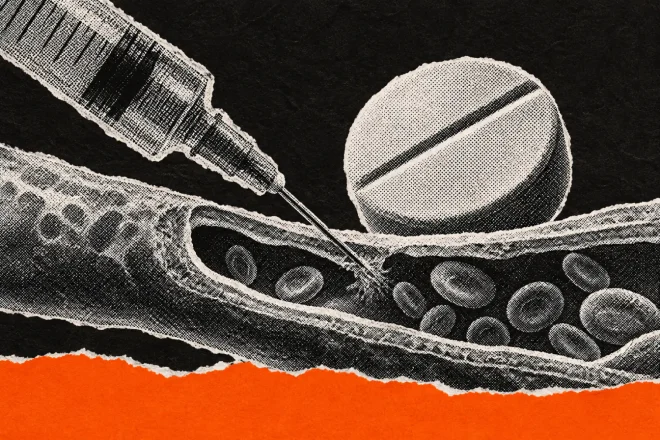
A new injectable treatment has been shown to dramatically lower cholesterol levels, offering a promising alternative for patients. However, experts emphasize that this development does not render statins obsolete in the ongoing fight against cardiovascular disease.
TL;DR
- Gene editing treatment lowers LDL for one year.
- Single injection shows promising, lasting results.
- Still not ready to replace statins.
A Single Injection: Gene Editing’s Promise Against Cholesterol
A cutting-edge advance in the fight against high cholesterol has emerged from the world of experimental medicine: a new gene-editing therapy demonstrated the ability to significantly reduce levels of “bad” cholesterol—also known as LDL—for up to a year following just one dose. The news, generating cautious optimism among both patients and specialists, puts a spotlight on innovation in cardiovascular prevention, where effective options are constantly sought.
Comparisons With Statins
Even so, experts emphasize that this experimental approach cannot yet be considered an alternative to well-established treatments such as statins. For decades, statins have remained the gold standard for lowering cholesterol and reducing cardiovascular risk worldwide. While the gene-editing therapy offers a glimpse of a future where a single injection could provide long-term protection, its efficacy and safety over the long haul remain unproven. The simplicity of this approach is striking, but many hurdles must be overcome before it can challenge conventional drugs.
The Mechanism Behind the Breakthrough
What distinguishes this potential breakthrough is its reliance on cutting-edge genetic technologies. Instead of daily pills or frequent injections, the experimental therapy employs targeted gene editing to alter the body’s own mechanisms for managing LDL cholesterol. Several factors explain why researchers are enthusiastic about this line of inquiry:
- Durable effect observed after only one administration.
- No need for ongoing daily medication adherence.
- Paves the way for personalized cardiovascular medicine.
Yet such advantages come with unanswered questions regarding long-term safety and broad applicability.
The Road Ahead
The medical community urges patience: large-scale studies and extended observation periods will be needed before regulatory authorities can contemplate approval. For now, anyone struggling with high cholesterol should rely on proven therapies—chiefly, those trusted statins—and maintain regular consultations with their healthcare provider. As this research progresses, it could someday transform how we approach one of the world’s leading health challenges. Until then, enthusiasm must be tempered by scientific rigor and careful monitoring.