New Study Links Sleep Patterns to 83 Different Diseases
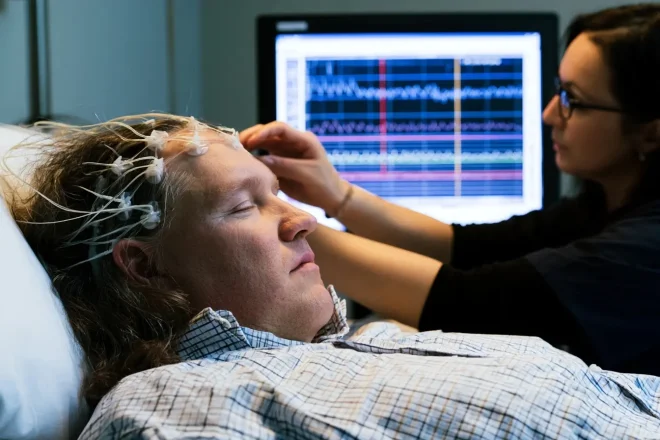
A recent study has drawn attention for exploring the relationship between sleep patterns and 83 different diseases. This research offers new insights into how our sleeping habits may influence a wide range of health conditions.
TL;DR
- Consistent deep and REM sleep reduces disease risk.
- Regular sleep patterns are crucial for long-term health.
- A significant limitation to these findings exists.
The Critical Role of Sleep in Preventing Disease
A sweeping new study has drawn a powerful connection between regular, high-quality sleep—especially adequate periods of REM sleep and deep sleep—and a lowered risk of developing a wide range of illnesses. For years, scientists have suspected that not all sleep is created equal, but the comprehensive data now available gives renewed weight to just how vital nightly rest can be for overall health.
Key Findings: REM, Deep Sleep, and Routine Matter
The research makes it clear: when individuals consistently experience both robust slow-wave (deep) sleep and sufficient REM cycles, their likelihood of falling prey to chronic diseases significantly diminishes. This is not merely about getting enough hours under the covers. Instead, the quality and regularity of sleep—marked by consistent bedtimes and wake-up times—emerge as pivotal factors for long-term well-being.
Several factors explain this protective effect:
- Deep sleep restores physical health and strengthens immunity.
- REM sleep plays a vital role in memory consolidation and emotional balance.
- A stable schedule aligns biological rhythms, amplifying these benefits.
The Caveat: Limitations Remain
Yet the researchers stop short of claiming that optimal sleep is a guaranteed shield against every ailment. The study’s scope does come with notable caveats; while correlations abound, causality is harder to pin down. Genetic predispositions, lifestyle variables outside of sleep, and undiagnosed conditions could still cloud the picture. Experts caution against viewing these results as an all-encompassing solution, though they agree on one thing: prioritizing consistent, high-quality rest remains indispensable.
A Call for Better Sleep Habits
For millions worldwide struggling with erratic schedules or poor slumber, these insights offer both motivation and guidance. While the promise is strong—a tangible reduction in disease risk through disciplined sleeping patterns—the message isn’t absolute. The data reaffirms what many health professionals have long argued: solid routines featuring adequate amounts of both deep and REM sleep may be among our best defenses in preserving health over time.
As researchers continue to untangle the complex threads linking rest to resilience against illness, one certainty stands out: taking sleep seriously pays dividends well beyond mere energy levels the next day.