New York Park Bacteria Show Promise in Cancer Treatment
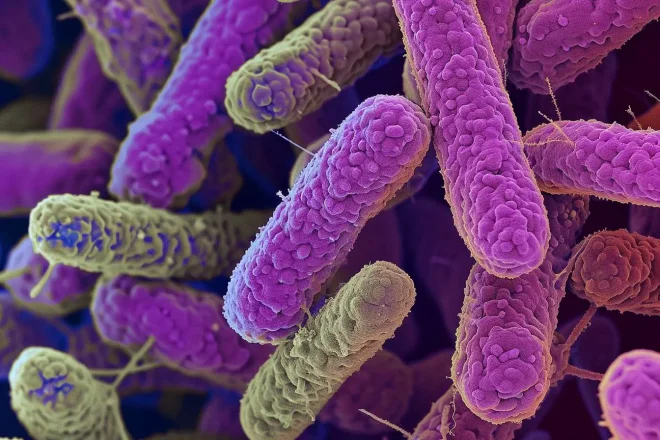
Researchers in New York’s parks have discovered unusual bacteria that may play a promising role in cancer research. These microscopic organisms are drawing scientific attention for their potential to contribute to new therapeutic strategies.
TL;DR
- Manhattan park bacteria attacked lung cancer cells in lab.
- Early-stage, promising findings but not yet for patients.
- Further research needed to confirm therapeutic potential.
An Unexpected Ally: Bacteria from Manhattan Parks
A handful of scientists have stumbled upon something rather remarkable: certain types of bacteria collected from parks across Manhattan have demonstrated the ability to destroy lung cancer cells under laboratory conditions. While this avenue of research is still in its infancy, it suggests a tantalizing new approach in the fight against one of medicine’s most persistent challenges.
A Promising Yet Preliminary Discovery
According to initial studies, these naturally occurring microorganisms exhibited a capacity to break down or even kill malignant cells, particularly those associated with lung cancer. However, researchers emphasize that these observations remain confined to petri dishes. Translation from laboratory success to actual treatment involves numerous hurdles—most notably, proving safety and effectiveness in complex human biology.
The Path Ahead: Cautious Optimism in Oncology Research
Why does this discovery matter? For decades, experts have explored unconventional biological agents as weapons against cancer. Now, with urban environments like Manhattan providing such unexpected microbial candidates, excitement among oncology circles is mounting. Several factors explain this cautious optimism:
- The bacteria appear to target tumor cells without harming healthy tissue—at least in vitro.
- This approach could complement existing therapies by introducing entirely new mechanisms of action.
- Urban biodiversity may harbor more surprises for medical science than previously imagined.
From Lab Bench to Bedside?
Despite these encouraging signs, much remains unknown. The leap from controlled lab settings to real-world clinical treatments is significant. Researchers must now embark on rigorous testing phases—starting with animal models before considering human trials. Only through this painstaking process can the true therapeutic potential of these bacterial strains be determined.
The notion that a stroll through a Manhattan park could lead to breakthroughs in cancer treatment might sound improbable. Yet history teaches us that medical innovation often begins with such serendipitous finds. For now, hope mingles with caution as scientists carefully chart the next steps for this intriguing line of inquiry.