Nolan’s Batman Villains: Why Every Antagonist Was Carefully Chosen
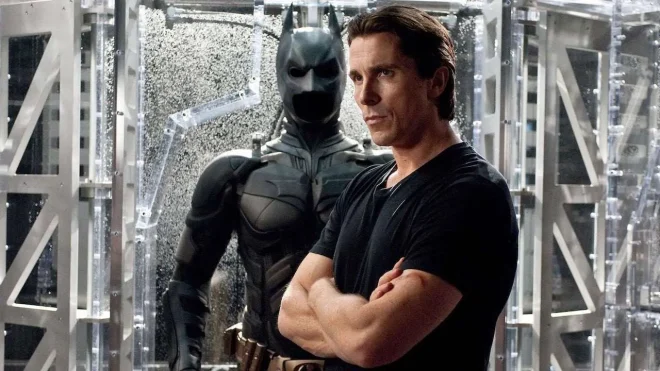
Christopher Nolan’s selection of villains in his Batman trilogy was always intentional. Each antagonist reflected deeper themes and challenges for the Dark Knight, contributing meaningfully to the films’ complex narratives and enduring impact on superhero cinema.
TL;DR
- Nolan selected villains for narrative depth, not fame.
- Villains reflect key aspects of Bruce Wayne’s character.
- Choices shaped the tone of his Batman trilogy.
A Deliberate Departure from Tradition
While many directors might be tempted to capitalize on the most recognizable villains from the Batman universe, Christopher Nolan deliberately took a different approach when crafting his celebrated Dark Knight trilogy. Instead of assembling a roster based on popularity or box office allure, he opted for adversaries who resonated with—and revealed something crucial about—the psyche of Bruce Wayne. This careful selection set the tone for a more introspective and layered exploration of Gotham’s iconic hero.
The Reflective Nature of Nolan’s Villains
It’s worth noting that each villain chosen by Nolan was intricately tied to specific facets of Bruce Wayne’s journey. Rather than serving as mere obstacles, these antagonists embodied internal struggles and thematic oppositions. Several factors explain this approach:
- The villains amplified Bruce Wayne’s personal dilemmas.
- Their motivations often mirrored or challenged his own ideals.
- This narrative strategy offered audiences a richer emotional experience.
Shaping Batman Through Adversity
For example, in “Batman Begins,” the selection of characters like Ra’s al Ghul and the Scarecrow was hardly accidental. Both figures delve into themes of fear, morality, and the fine line separating justice from vengeance—issues at the core of Bruce Wayne’s transformation into the caped crusader. As a result, viewers were drawn deeper into his evolution, experiencing not only external battles but also internal reckonings.
An Enduring Legacy in Superhero Storytelling
By making these thoughtful choices, Nolan left an indelible mark on modern superhero cinema. The trilogy stands apart as an example where the selection of foes served a greater purpose: illuminating the complexities of its central figure rather than simply providing spectacle. In prioritizing storytelling over simple recognition value, Nolan ensured that each confrontation meant something—both for Batman and for audiences invested in his story.