Nvidia to Launch New AI Chips at GTC 2026
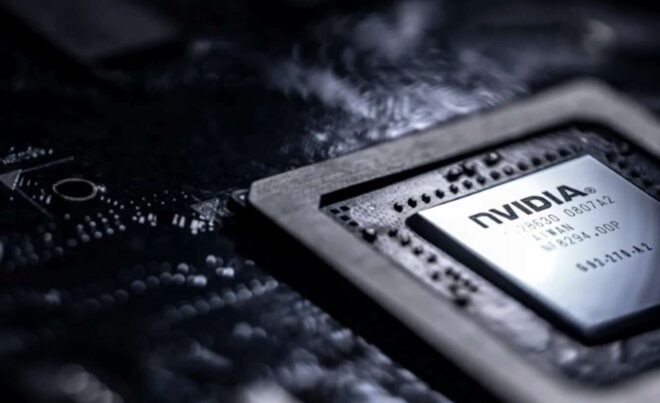
Nvidia / PR-ADN
At the GTC 2026 conference, Nvidia has announced plans to unveil groundbreaking new chips specifically designed for artificial intelligence applications, signaling its ongoing commitment to innovation and leadership in the rapidly evolving AI hardware sector.
TL;DR
- Nvidia teases major new chips at GTC 2026.
- Focus on AI data center hardware, not gaming GPUs.
- Technical challenges push industry to its limits.
Anticipation Builds Ahead of GTC 2026
The global tech community is already buzzing with anticipation for the 2026 edition of the GPU Technology Conference (GTC), hosted by Nvidia. Scheduled for March 16, this event promises to showcase innovations that could reshape the landscape of artificial intelligence hardware. In a recent exchange with Korean Economic Daily, CEO Jensen Huang offered tantalizing hints, vowing to unveil “several new chips the world has never seen.” For now, though, specific details about these upcoming products remain under wraps, fueling intense speculation across the sector.
Pushing Hardware Boundaries: What to Expect
While initial rumors centered on the possible launch of the highly anticipated N1X processor—touted as a rival to Intel‘s Panther Lake series—recent whispers suggest its debut may be delayed. Instead, experts increasingly expect that the spotlight will fall on breakthrough hardware designed for data centers specializing in AI workloads. At this year’s CES, Huang highlighted the progress of the Rubin GPUs: chips described as five times more powerful than their Blackwell predecessors and purpose-built for large-scale AI infrastructures.
Several factors explain Nvidia’s likely strategic direction:
- Rubin AI chips: poised for rapid adoption in enterprise data centers.
- Potential reveal of Feynman GPU architecture for consumer graphics.
- HBM4 memory: crucial for coping with surging AI demands.
The Race to Overcome Technological Limits
Acknowledging the formidable obstacles facing chip development, Huang conceded that “nothing comes easy; every technology is pushed to its absolute limit.” Yet there are glimmers of optimism. Strategic collaboration with semiconductor leader SK Hynix, recognized for advancing HBM4 memory technology, might give Nvidia an edge in overcoming bottlenecks. Notably, Huang extended warm praise to teams behind Project Vera Rubin—a nod that suggests major advances may be imminent.
No Relief Yet for Gamers Awaiting New GPUs
Gamers hoping for a new wave of RTX graphics cards will have to wait. Ongoing shortages in RAM have delayed launches for both the RTX 50 Super and future RTX 60 series. It’s worth recalling that even Nvidia’s celebrated Blackwell architecture began life in data centers before trickling down to consumer markets a year later—a pattern likely to repeat with Rubin.
In sum, while details remain closely guarded, industry insiders agree: Nvidia’s next moves at GTC 2026 could well mark a turning point in how AI integrates with and transforms cutting-edge technology.