Only Seven Countries Enjoy Good Air Quality
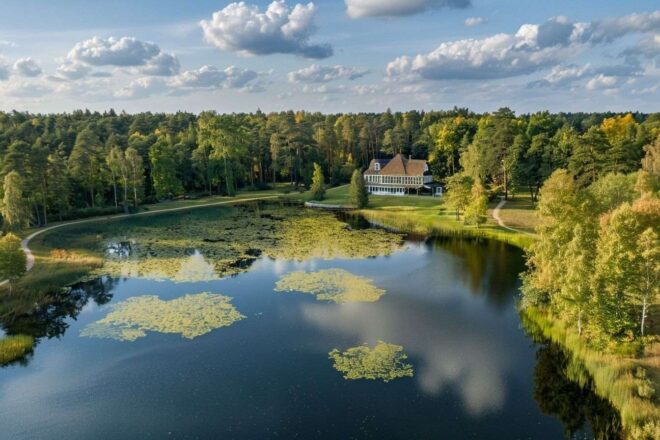
Only seven countries worldwide can boast having clean, unpolluted air.
Air Quality: A Major Public Health Issue
A recent IQAir report, a Swiss air quality database, highlighted the global precariousness of air quality. The study found that only seven out of 138 evaluated countries have good air quality.
The fortunate countries include Australia, the Bahamas, Barbados, Estonia, Grenada, Iceland, and New Zealand, all meeting the WHO’s annual PM2.5 recommendation of 5 µg/m3.
Countries in Critical Condition
Conversely, Chad, Congo, Bangladesh, Pakistan, and India suffer from particularly poor air quality. India is notably affected, housing six of the world’s nine most polluted cities. The industrial city of Byrnihat in northeastern India ranks as the most polluted globally.
Dramatic Health Consequences
“Air pollution remains a critical threat to human health and environmental stability, yet vast populations are unaware of their exposure levels,” states Frank Hammes, IQAir’s Global CEO.
Air pollution, especially fine particulate matter (PM2.5) and nitrogen dioxide (NO₂), can cause respiratory illnesses like asthma, chronic obstructive pulmonary disease (COPD), and lung infections.
Vulnerable Populations
Children, the elderly, and those with preexisting conditions are especially at risk. Poor air quality can lead to low birth weight, premature births, and developmental issues in infants.
Children exposed to pollution from a young age may experience weakened lung function and cognitive impairments.