Physical Brain Changes Linked to Early Childhood Trauma
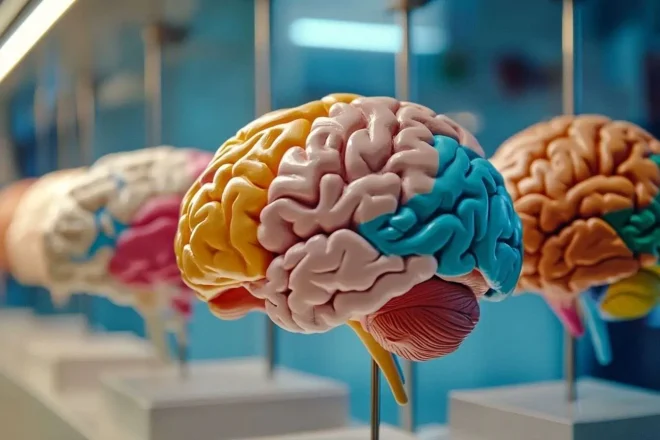
Early-life trauma can leave a lasting impact not only on emotional well-being but also on brain structure. Recent research has identified a physical marker in the brain associated with childhood trauma, offering new insights into its enduring effects.
TL;DR
- Early-life stress alters dopamine-linked neurons in mice.
- These neural changes may underlie mental vulnerability.
- Findings open new paths for understanding cognitive health.
Groundbreaking Mouse Study Links Early Stress to Lasting Brain Changes
A recent investigation involving mice has provided significant insight into the enduring consequences of early-life stress on the brain. Researchers have observed that such stress triggers persistent modifications in specific neurons associated with the neurotransmitter dopamine. These results could transform our understanding of why some individuals are more mentally vulnerable than others.
Unveiling the Role of Dopamine Neurons
At the heart of this study is a focus on the brain’s intricate dopamine system. Long recognized for its role in reward, motivation, and emotional regulation, dopamine’s involvement in mental health disorders has been widely debated among neuroscientists. The research team discovered that stressful experiences during early development led to structural and functional alterations in neurons responsible for producing this critical neurotransmitter.
A Concrete Clue to Mental Vulnerability
Why does this matter? For years, experts have suspected that environmental factors like stress can leave an indelible mark on the brain, heightening susceptibility to conditions such as depression or anxiety. This study offers something rare: concrete evidence linking early adversity with measurable neural changes. Several factors help explain why these findings are so significant:
- The modifications persisted long after the initial stressful events.
- The affected neurons play a central role in mood and cognitive processes.
- This pathway could offer targets for future treatments.
Implications for Human Cognitive Health
While these results were obtained from mouse models, their broader implications resonate far beyond the laboratory. By demonstrating that early-life challenges can reshape fundamental aspects of brain function, researchers at institutions like INSERM and other neuroscience centers are edging closer to unraveling the biological roots of mental resilience—and vulnerability.
Naturally, translating these insights from rodents to humans will require caution and further inquiry. Yet this work already illuminates a path forward: if we can understand how formative experiences affect neural circuits linked to dopamine, perhaps new preventive or therapeutic strategies will emerge for safeguarding cognitive health throughout life.