Picea Robotics Challenges iRobot in Home Robotics Market
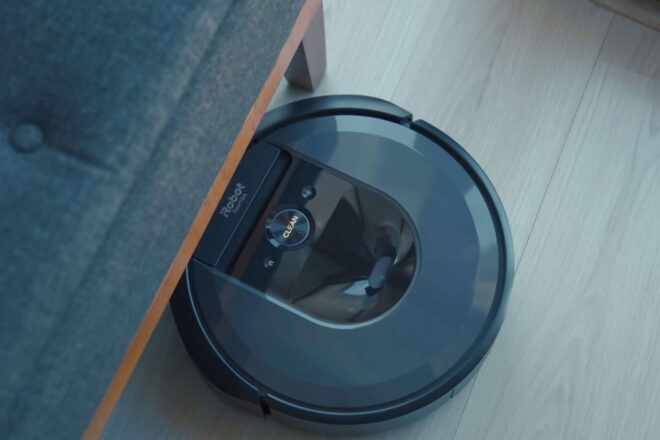
iRobot / PR-ADN
Picea Robotics is making significant moves to challenge the dominance of iRobot in the robotics industry, positioning itself as a formidable contender and signaling intensified competition in the rapidly evolving market for robotic technologies.
TL;DR
- iRobot files for bankruptcy and faces acquisition by Picea Robotics.
- Shareholders to lose entire investment if deal proceeds.
- Customer services and products will remain uninterrupted, company says.
A Shifting Landscape for iRobot and Its Legacy
The fate of Massachusetts-based robotics pioneer iRobot now hangs in the balance. After decades shaping the domestic robotics sector, the company behind the iconic Roomba vacuum is grappling with a momentous crossroads. Filing for bankruptcy protection under Chapter 11, iRobot has entered negotiations with its leading supplier—China’s Picea Robotics—which aims to acquire all its assets.
The End of an Era for Investors
Several factors explain this dramatic turn:
- The withdrawal of Amazon, whose $1.7 billion acquisition plan fell apart amid concerns from European regulators.
- A market reshaped by new competitors like Roborock and Dreame, further intensified since the global pandemic.
- A tariff policy in the United States that increased import costs and strained profit margins.
For shareholders, the repercussions are particularly stark: management has stated that if the deal with Picea Robotics is approved by the courts, investors should expect to lose their entire stake—with no compensation. The company, founded in 1990 by Colin Angle, Helen Greiner, and Rodney Brooks, has yet to clarify potential impacts on its workforce either in America or abroad.
User Experience Remains Steady Amid Turbulence
Despite these seismic shifts at the corporate level, existing customers can expect business as usual—or so says CEO Gary Cohen. According to recent assurances from leadership, users of Roomba robots will see no disruption in their daily routines. The firm pledges ongoing access to customer support, spare parts, and applications worldwide. Logistics chains are set to continue functioning normally; programs for both clients and partners will launch as planned. For Cohen, this transition represents a “crucial milestone towards long-term strengthening” that prioritizes continuity for consumers.
An Industry Transformed—and Uncertainty Ahead
Once hailed as an unassailable leader following the 2002 debut of its first Roomba model, iRobot‘s dominance has been gradually eroded. Despite launching advanced products—such as the Roomba Plus 505 Combo Robot with AutoWash Dock earlier in 2024—the company struggled against intensifying competition and unfavorable tariffs imposed during Donald Trump’s presidency.
As robot vacuums have become ubiquitous fixtures in households worldwide, it seems a defining chapter of American home innovation is drawing to a close. What lies ahead for this once-mighty brand under Chinese ownership remains an open question—one watched closely by both industry observers and devoted users alike.