Pig Kidney Transplant Prevents 271 Days of Dialysis
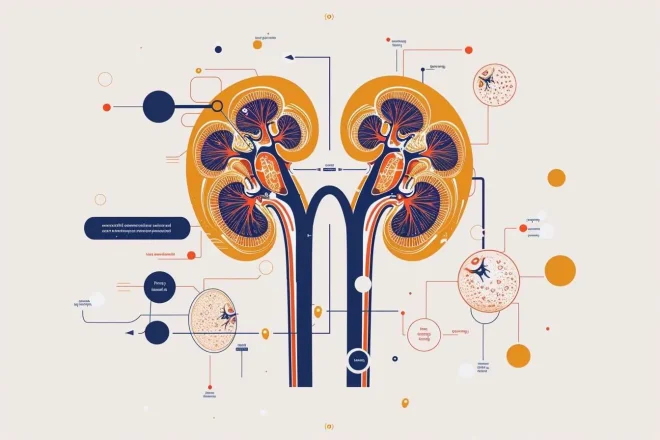
A pig kidney transplant successfully sustained a patient for 271 days, eliminating the need for dialysis during that period. This medical achievement highlights advances in xenotransplantation and offers hope for addressing organ shortages in the future.
TL;DR
- Genetically modified pig kidney kept patient alive for 271 days.
- No dialysis was needed during this period.
- Patient later received a successful human kidney transplant.
A Breakthrough in Transplant Medicine
After years of anticipation within the medical community, a remarkable milestone has been reached in the field of organ transplantation. An American patient suffering from end-stage renal failure managed to live for an unprecedented 271 days without the need for dialysis, thanks to a transplanted kidney from a genetically modified pig. The procedure underscores the tremendous potential of xenotransplantation—a field that has long raised hopes and difficult questions alike.
How Genetic Modification Made the Difference
The key to this achievement lies in recent advances in gene editing. By altering specific genes within the donor animal, scientists rendered the pig kidney far less likely to be rejected by the human immune system. This enabled the transplanted organ not only to survive but to function effectively—without requiring the exhaustive support of regular dialysis. Such progress hints at transformative prospects for the thousands on organ waiting lists.
A Life Between Two Transplants
During those 271 days, no dialysis treatments were administered—a crucial detail that cannot be overstated, given how central this therapy is for those with terminal renal disease. After nearly nine months with the modified porcine kidney, doctors proceeded with a traditional human transplant. The patient then successfully received a donor kidney from another person, marking a return to standard clinical practice after this unique interlude.
The Road Ahead for Xenotransplantation
Several factors explain why this case has captured global attention:
- The scarcity of compatible human organs continues to pose serious challenges.
- Xenotransplantation offers hope for reducing transplant wait times and saving lives.
- The success of advanced gene-editing methods brings new ethical and medical debates into focus.
This pioneering case involving an American hospital—whose name is closely guarded at present—demonstrates both scientific prowess and humanitarian ambition. Yet, while optimism runs high among researchers and patients alike, further studies will be essential before xenotransplants become routine practice. For now, however, this story stands as an extraordinary testament to what modern medicine can achieve when innovation meets determination.