Pope Francis Dies: Understanding Cardinals’ Roles and Privileges Within the Church
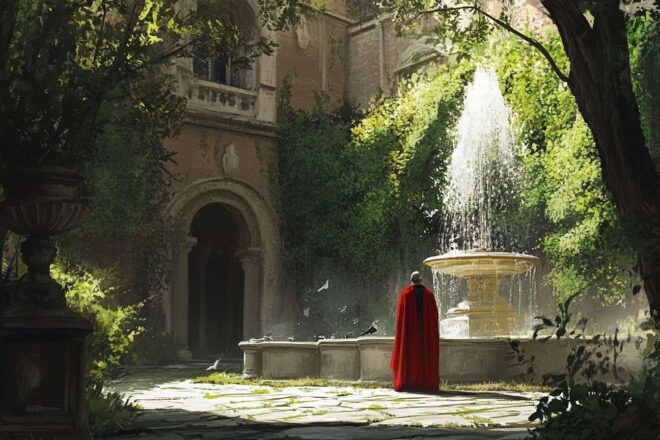
Suite à la disparition du pape François, la fonction des cardinaux attire l’attention. Ces hauts dignitaires de l’Église catholique jouent un rôle central, notamment lors de l’élection d’un nouveau pape, et bénéficient de certains privilèges spécifiques.
Tl;dr
- Cardinals elect the pope and advise the Vatican.
- Papal nominations reveal political and global shifts.
- Their privileges have lessened in recent decades.
Symbols of Power and Distinction
While many imagine a cardinal solely by his striking red attire—the renowned cardinal’s purple—the significance runs far deeper. This symbolic hue, recalling both power and the sacrifice of Christ’s blood, sets them apart as key figures in the hierarchy of the Catholic Church. Alongside their vibrant robes, cardinals also bear a sapphire ring and often carry items such as the pectoral cross, crozier, and mitre. Yet, their status is not fixed; over time, some traditional privileges have been redefined or curtailed.
The Cardinal’s Essential Role
The word cardinal, rooted in the Latin cardinalis, literally means principal—a fitting description for these senior dignitaries. Each is appointed directly by the pope to assist with both governance and counsel at the highest levels. Within Vatican corridors, cardinals typically lead major departments known as dicasteries. Their formal designation remains « cardinal de la Sainte Église romaine ».
The College and Its Pivotal Mission
Collectively, cardinals belong to what is called the College of Cardinals. Led by a dean, this body forms the uppermost echelon of ecclesiastical authority. Some members serve as diocesan bishops across continents; others reside in Rome to fulfill curial functions. It’s worth noting that cardinalship is not an office per se—rather a title that overlays various existing responsibilities.
Their most solemn duty emerges during moments of transition: in case a pope passes away or steps down, those under 80 (currently 135 out of 252) are summoned for the conclave. Gathering beneath Michelangelo’s frescoes in the Sistine Chapel, they must adhere to centuries-old rituals while bearing the weighty responsibility of electing a new pontiff.
Papal Appointments and Recent Shifts
Recent decades have witnessed subtle but profound changes. Several factors help explain this evolution:
- The Second Vatican Council reduced certain privileges once attached to cardinals.
- Pope Francis has continued reforms—tightening financial oversight within the Holy See.
- His nominations often favor voices from regions historically on Catholicism’s margins, notably Asia.
Such choices signal broader ambitions: fostering a more inclusive Church while shaping future papal elections. As tradition meets modernity within these crimson ranks, each decision echoes far beyond Rome’s ancient walls.