Pope Leo XIV Bans AI-Generated Art in the Vatican
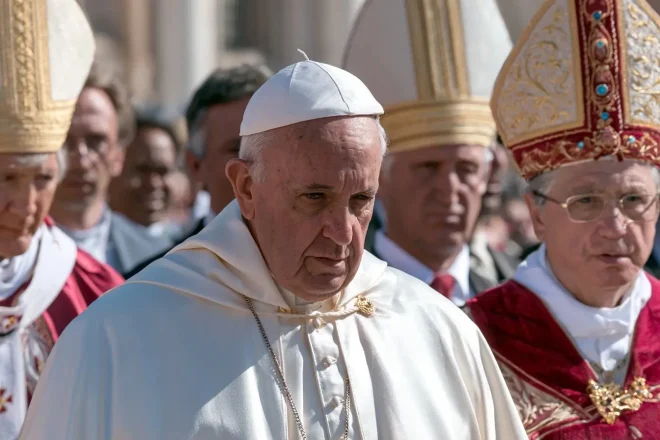
Pope Leo XIV has taken a firm stance against AI-generated art, making it clear that the Vatican does not support artificial intelligence as a tool for creative expression within the Church’s cultural and artistic traditions.
TL;DR
- Léon XIV firmly contrasts human art with AI images.
- His stance rekindles debate on AI and creativity.
- Discussion centers on value of human versus machine-made art.
An Unambiguous Artistic Stance
In a move that has stirred both artists and technologists, Léon XIV recently drew a stark line between the world of human artistic endeavor and the realm of machine-generated imagery. By firmly asserting the unique value of art created by people, he reignited an ongoing and often heated discussion over the growing influence of artificial intelligence in the creative industries.
The Human Touch Versus Algorithms
Notably, this declaration from Léon XIV comes at a time when algorithms are producing increasingly sophisticated images. The artist’s point is clear: no matter how advanced these systems become, they lack the intuition, emotion, and lived experience that underpin true artistic creation. The debate here is hardly academic—audiences, collectors, and fellow creators are being pushed to consider what truly defines art’s value.
A Broader Conversation Rekindled
Several factors explain this decision:
- The rapid progress in AI-generated art, challenging traditional roles.
- A growing market for digital creations that blurs old boundaries.
- Anxiety among artists about authenticity and originality in their field.
By speaking out so publicly, Léon XIV has not only voiced concerns many share but also called attention to the risks of diminishing human craftsmanship. For some observers, these worries echo through every exhibition where computer-made works hang beside paintings conceived by hand.
A Tipping Point for Creativity?
This renewed controversy might well signal a turning point. On one side stand those who see promise in harnessing technology as a creative tool; on the other, purists like Léon XIV, committed to defending what they view as irreplaceably human about art. The debate is far from settled—but thanks to such high-profile intervention, it appears destined to shape conversations about creativity and technology for years to come.