Powerful Earthquake in Afghanistan Leaves Over 600 Dead and 1,500 Injured
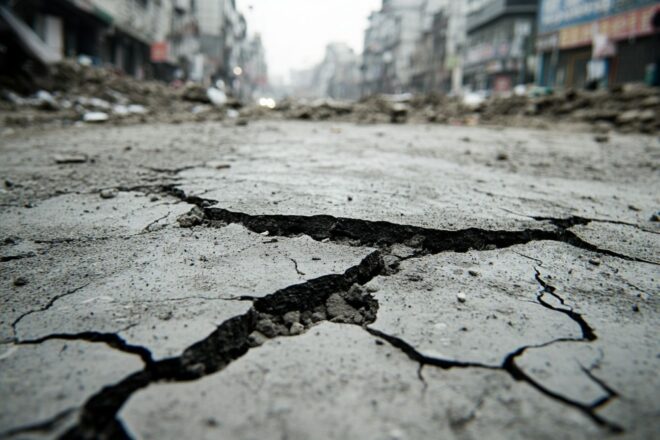
A powerful earthquake has struck Afghanistan, leaving more than 600 people dead and injuring at least 1,500 others. The disaster has caused widespread devastation, overwhelming local authorities as rescue efforts continue in the affected regions.
Tl;dr
A Region Haunted by Natural Disasters
When considering the tragedies that have unfolded in eastern Afghanistan, it becomes difficult to overstate the region’s ongoing vulnerability. Just recently, the province of Nangarhar grappled with flash floods—claiming five lives and leaving agricultural land as well as residential areas in ruin. These disasters come on top of a searing memory: October 2023 saw another quake of similar magnitude devastate Hérat. According to the UN, that event resulted in over 1,500 fatalities, destroyed more than 63,000 homes, and led to the collapse of roughly three hundred schools or educational centers. Each catastrophe chips away at an already precarious foundation.
Earthquake Strikes: A Grim Toll Emerges
Eastern Afghanistan was once again jolted from sleep overnight by a powerful earthquake. Official figures released Monday by Interior Ministry spokesman Abdul Mateen Qani reveal a harsh reality: at least 622 people lost their lives, with more than 1,500 others injured in the disaster. For a nation still reeling from previous shocks, these numbers are nothing short of staggering.
The Epicentre: Impact Felt Far Beyond Borders
According to the US Geological Survey, the main tremor—measuring a magnitude of 6—was followed by no fewer than five aftershocks. Of those, one was particularly notable at 5.2 on the Richter scale. The quake’s epicentre was shallow, just eight kilometres underground in the province of Nangarhar. Given that this area sits at the convergence point of the Eurasian and Indian tectonic plates, seismic activity is almost expected. Yet this time, even seasoned observers were shaken: journalists stationed in Kabul recounted feeling prolonged tremors. The event’s reach extended further still—residents as far away as Islamabad, some 370 kilometres distant in Pakistan, reported noticeable shaking.
An Uncertain Path Forward Amid Persistent Risks
Reflecting on recent events, several troubling patterns emerge:
With each calamity compounding previous losses, questions grow over whether Afghanistan’s limited resources can meet such relentless challenges. For now, apprehension lingers about how—or even if—the country can recover from an ever-mounting series of blows.