Prediabetes Reversal Possible Without Weight Loss, Study Finds
ADN
A recent study challenges the common belief that weight loss is essential for reversing prediabetes, suggesting that improvements in blood sugar levels can occur independently of losing weight. These findings could impact future prevention and treatment strategies.
TL;DR
- Preventing type 2 diabetes possible without weight loss.
- Normalizing blood sugar is more important than losing weight.
- Visceral fat reduction, not just weight, influences risk.
Rethinking Diabetes Prevention: Beyond the Scale
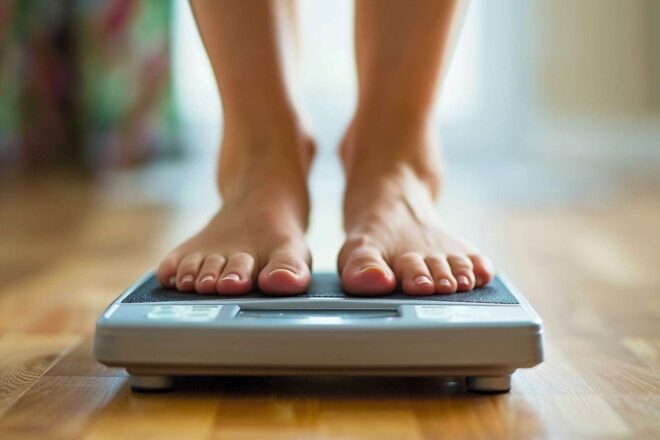
For years, the fight against type 2 diabetes has largely revolved around a single prescription: lose weight. Those with abnormally high blood sugar—so-called prediabetes—were typically advised that dropping kilos was the surest way to halt disease progression. But a recent international study challenges this conventional wisdom, pointing toward new priorities in prevention.
Study Surprises: Blood Sugar Gains Without Weight Loss
Spanning twelve months, researchers tracked 1,105 volunteers diagnosed with prediabetes. The participants embarked on a program focused on healthier diets and increased physical activity, all with weight loss as the explicit goal. The results, however, were unexpected. Out of 234 individuals who saw no significant change on the scale by year’s end, 51 nevertheless succeeded in restoring normal blood sugar levels. When researchers followed up—even a decade later—these individuals showed a staggering 71% reduction in their risk of developing type 2 diabetes compared to their peers whose prediabetes persisted. Intriguingly, this improvement matched the risk reduction observed among those who actually did lose weight and normalized their blood sugar.
The Quiet Influence of Visceral Fat
Delving deeper into these surprising findings, scientists identified a critical—often overlooked—factor: the location and type of body fat. Individuals who reversed their prediabetes without losing overall body mass tended to have less visceral fat, the dangerous fat surrounding internal organs. This observation adds weight to previous research highlighting the close link between visceral fat and insulin resistance. In other words, it’s not simply the number on the scale, but where fat is stored that matters most for diabetes risk.
Several factors explain this shift in thinking:
- Balanced eating and regular exercise help normalize blood sugar—even without weight loss.
- Medical focus should shift to restoring healthy glucose levels rather than solely achieving weight loss.
Expert Perspectives and Future Guidelines
The study’s implications could ripple through future medical guidelines. As Professor Andreas Birkenfeld from the University of Tübingen argues, restoring healthy blood sugar ought to take precedence over weight loss alone in diabetes prevention strategies. Echoing this stance, Reiner Jumpertz-von Schwartzenberg underscores the importance of prioritizing both glucose control and addressing visceral fat accumulation in clinical recommendations moving forward. Such a shift could prove particularly encouraging for individuals struggling to lose weight—offering them hope that their efforts to improve metabolic health are far from futile.