Prince William’s Possible Move Sparks Public Outcry and Concern Across Britain
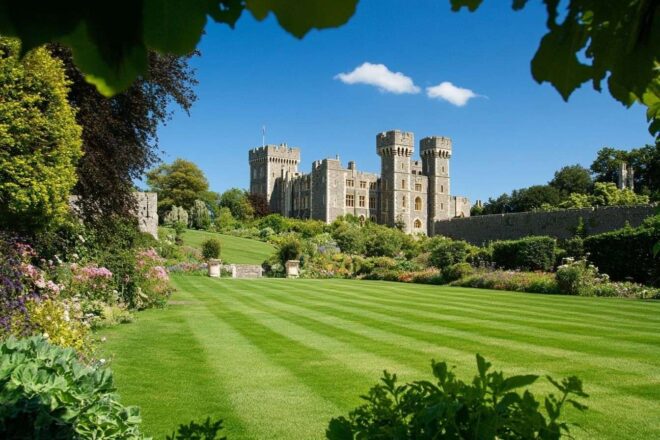
News of Prince William possibly relocating has sparked widespread controversy and concern across the UK, with many Britons expressing alarm over the potential move and its implications for the royal family’s role and public perception.
Tl;dr
- William and Kate to move near Windsor, away from London.
- Buckingham Palace’s future as royal home questioned.
- Royal residences reflect changing traditions and adaptation.
Shifting Royal Residences: A Move that Raises Questions
The decision by William, the heir to the British throne, and his wife Kate to relocate their family to a new home in the Windsor area has sparked significant discussion throughout the United Kingdom. While many have grown accustomed to seeing senior royals based in London, this move away from the capital signals a change that some observers find both intriguing and unsettling.
According to reports in The Sun—later confirmed by Kensington Palace—the family is preparing to settle at the impressive Forest Lodge, an eight-bedroom manor nestled within the royal estate. This residence is expected to become their « forever home », with the move anticipated « later this year ».
The Future of Buckingham Palace: A Royal Symbol in Flux?
One cannot help but wonder what lies ahead for Buckingham Palace, a cornerstone of British monarchy since 1837. Its historic halls have witnessed everything from lavish state banquets and celebrated garden parties to those much-photographed balcony appearances during national celebrations like Trooping the Colour.
However, behind its grand façade, reality has shifted. The current monarch, Charles III, at 76, has shown little interest in residing at Buckingham Palace, opting instead for the quieter surroundings of his beloved Clarence House. This preference coincides with ongoing renovations at Buckingham Palace, an ambitious project estimated at nearly 425 million euros (369 million pounds), not expected to conclude until 2027.
A Tapestry of Royal Homes: Choices and Traditions
It’s worth noting that the British royal family has never limited itself to a single residence. Over generations, various estates have played central roles:
- Buckingham Palace: The historic seat of royal administration.
- Windsor Castle: Long regarded as Queen Elizabeth II’s favored sanctuary.
- Balmoral Castle and Sandringham House: Summer retreats and venues for family gatherings.
- Highgrove House: Beloved by Charles for its organic gardens.
Even William and Kate retain multiple properties scattered between London and rural England.
An Uncertain Symbol: What Next for the Monarchy’s Heart?
Yet for some commentators, any suggestion that Buckingham Palace could be relegated remains deeply troubling. Royal analyst Richard Fitzwilliams warns of a « catastrophe » if Buckingham loses its central role: « Buckingham must absolutely remain at monarchy’s heart, regardless of where William and Catherine live. » As Charles’ health occasionally raises concerns, questions persist over whether he will honor his promise to return once renovations finish—meanwhile, William has chosen silence on future plans.
In truth, these shifting living arrangements highlight broader uncertainties about tradition versus evolution within one of the world’s oldest institutions. The palace may open further to the public or serve new purposes, but its symbolic weight remains undiminished—even as lifestyles quietly transform behind closed doors.