Psychiatrist Warns About Teens: Bullying, Screens, and Porn Risks
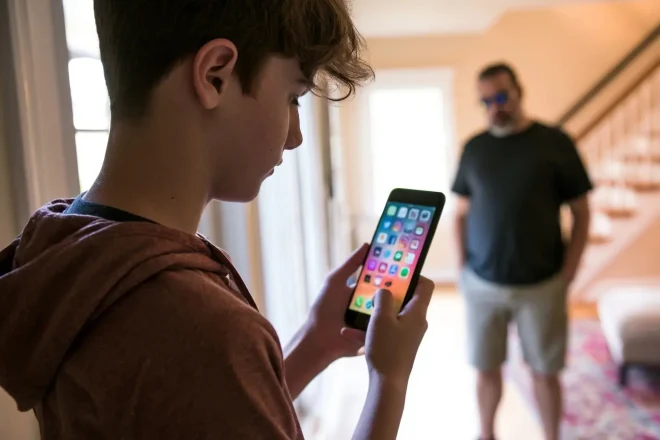
A leading psychiatrist has raised concerns about the growing impact of bullying, screen time, and exposure to pornography on teenagers, warning that these issues are contributing to increasing mental health risks among adolescents today.
TL;DR
- Spanish psychiatrist warns about school bullying silence.
- Screens worsen teenagers’ vulnerability, expert says.
- Schools play key role in addressing these issues.
The Overlooked Crisis of School Bullying
The issue of school bullying continues to persist largely in silence, according to prominent Spanish psychiatrist Dr. Juan Martínez. He stresses that not enough is being said—nor done—about the everyday violence and psychological harm suffered by countless teenagers. For many, the emotional toll of harassment within school walls remains invisible, fueling a cycle of shame and isolation.
Screens: A New Layer of Vulnerability
As if traditional bullying weren’t enough, the widespread use of smartphones and social media platforms has created fresh vulnerabilities for adolescents. In recent remarks, Dr. Martínez emphasized how constant exposure to screens extends the reach of aggression far beyond the classroom. Instead of finding respite at home, young people are now subject to relentless digital pressures—ranging from subtle exclusion to outright cyberbullying.
Several factors explain this alarming trend:
- The anonymity provided by digital platforms emboldens aggressors.
- Victims struggle to escape harassment, even outside school hours.
- Lack of adult supervision online allows abuse to go undetected.
The Essential Role of Schools
Faced with these complex realities, where should intervention begin? In Dr. Martínez’s view, the answer is clear: schools must take the lead. He advocates for educational institutions to actively recognize and address both offline and online forms of bullying. Teachers, counselors, and administrators are uniquely positioned to detect warning signs early and foster a culture that prioritizes well-being over silence.
Rethinking Our Approach
Despite growing awareness in some quarters, society as a whole still hesitates to confront the full scale of adolescent distress tied to bullying and excessive screen time. The psychiatrist’s warnings serve as a reminder that meaningful change demands open discussion—not just among parents or mental health professionals but at every level where children learn and interact.
Ultimately, Dr. Martínez urges collective responsibility: only through coordinated action between families, schools, and communities can we hope to break the dangerous cycle of indifference surrounding adolescent mental health in the age of screens.