QR Codes: An Underestimated Digital Trap?
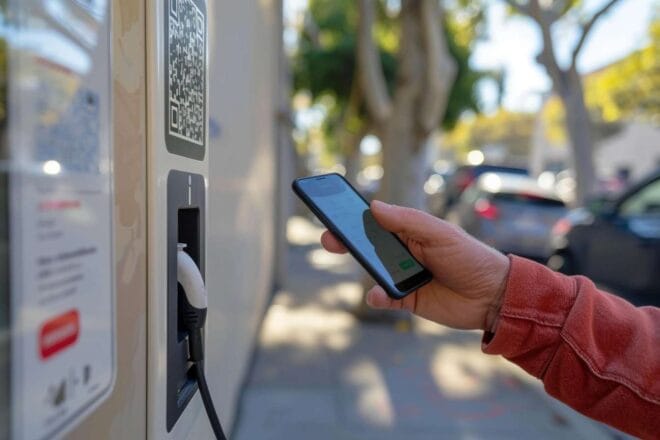
QR codes are increasingly becoming a security threat, with a study showing that millions of users scan them carelessly, risking their personal data to scams, phishing, and identity theft.
The Underestimated Danger of QR Codes
Increasing unease about QR code security is spreading across France, Belgium, and the Netherlands. A NordVPN study indicates that 22 million people view QR code usage as risky, with a staggering 77% admitting they rarely check the codes before scanning.
Rising Scams
The apprehension about QR codes is not unfounded. Recently, there has been a spike in scams involving these codes, notably with counterfeit QR codes found on public parking meters across Europe, including in Amsterdam, Maastricht, Sittard-Geleen, Belgium, France, Germany, and Ireland. These fraudulent codes lead users to fake websites that steal banking information.
Alarming Study Findings
NordVPN’s survey has uncovered troubling data: 43% of respondents take no precautions before scanning QR codes. Even more concerning, “13% have scanned malicious codes leading to phishing sites (36%) or unauthorized activities (21%)”.
Risky Practices
NordVPN cybersecurity expert Adrianus Warmenhoven advises: “Never scan a QR code blindly. If in doubt, manually enter the website address. Any QR code in a public space could be a potential security risk. Consider using cybersecurity tools like VPNs and anti-malware software.”
It is crucial to raise public awareness about the potential dangers of QR codes and to promote more cautious and informed use of this ubiquitous technology.