RAM Prices: Why Brands Are Delaying Price Reductions
AOMEI / PR-ADN
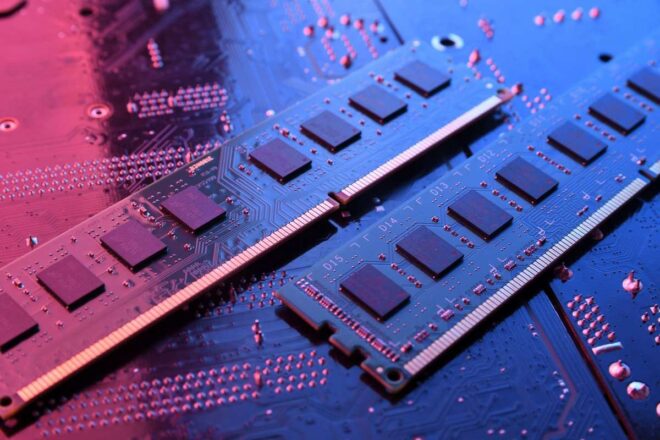
Despite mounting pressure to lower RAM prices, major brands are hesitating to implement reductions. Uncertainty in the market and fluctuating demand are prompting manufacturers to adopt a cautious approach before making any pricing decisions.
TL;DR
- RAM prices surge due to AI-driven demand.
- Market normalization unlikely before 2027.
- Consumers face uncertainty and potential delays in relief.
Clouds Over the Laptop Boom: RAM Prices Soar
As anticipation builds around the launch of new laptops featuring the latest Intel Core Ultra Series 3 chips and advances like Nvidia DLSS 4.5, consumers are confronting a less uplifting reality: an unmistakable spike in the cost of RAM. This isn’t just affecting those eyeing a new PC. The upward trend now stretches to devices across the board — including smartphones and gaming consoles — as leading brands such as Framework have already reflected price hikes.
AI’s Insatiable Appetite Reshapes Supply Chains
What lies behind this escalation? The answer, according to industry experts, is rooted in the explosive requirements of artificial intelligence. Demand for specialized memory known as High Bandwidth Memory (HBM), essential for powering large-scale AI platforms like ChatGPT and Gemini, has forced memory manufacturers into overdrive. Yet, even with factories running at full tilt, their ability to further ramp up production remains limited. As Sascha Krohn, technical marketing director at Asus, points out, modest capacity increases are possible — perhaps by reviving dormant production lines — but a rapid return to balance looks highly unrealistic for now.
No Clear End in Sight: When Will Prices Settle?
So, how long will this turbulence last? Forecasts remain deeply divided. While companies such as Micron do not expect an improvement before 2028, others cautiously suggest that stabilization could arrive between 2026 and 2027. Within Asus, the consensus is that a meaningful reduction in pricing likely won’t happen until at least 2027. Krohn himself admits there’s no easy answer: “It’s truly difficult to predict,” he says, emphasizing that much depends not just on supply levels but also on evolving commercial strategies.
Tough Choices Ahead for Consumers and Industry Players
Even if supply constraints ease, another dilemma looms: who will initiate the first price cuts? Recent launches — like that of the RTX 50-series graphics cards — illustrate a persistent reluctance among major brands to reduce prices swiftly. The logic is simple yet stubborn: why lower prices today if buyers paid more yesterday? As history shows, weeks or even months can pass before competitive pressure triggers any real change.
Several factors explain this market deadlock:
- Persistent demand from AI data centers limits consumer supply.
- Lack of incentive among manufacturers to cut prices prematurely.
- An uncertain timeline for supply-and-demand normalization.
For now, those hoping to invest in new tech equipment face tough decisions: either embrace higher costs or wait out an unpredictable market, where patience may ultimately be the wisest strategy.