Reduce Salt Intake to Lower Stroke Risk and Improve Health
ADN
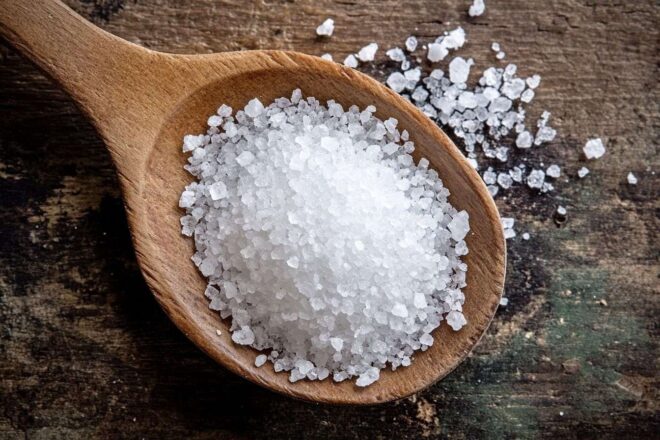
Reducing salt intake in daily diets is a crucial measure to help lower the risk of stroke. Health experts consistently highlight the connection between high sodium consumption and increased likelihood of cardiovascular events such as stroke.
TL;DR
- Hypertension rises sharply among young Indians.
- High salt, stress, urban habits drive early cases.
- Early prevention and regular checks remain essential.
Youth and the Shifting Face of Hypertension in India
Until recently, hypertension was a condition typically associated with older adults or those already facing significant health risks in India. However, a striking trend is now emerging: cardiologists like Dr. Prashant Mishra of the Thunga Group of Hospitals in Mumbai are witnessing an influx of patients in their twenties and thirties, some arriving after sudden cardiac events despite having no prior history or warning signs. The image of who is at risk is changing—rapidly.
The Urban Lifestyle: An Unseen Catalyst
Several factors explain this decision:
- High salt intake, deeply woven into Indian cuisine—think pickles, savory snacks, and even homemade dishes enhanced with salty condiments—is a primary driver. The average daily sodium consumption far surpasses the World Health Organization (WHO)‘s recommended limit of 5 grams, sometimes doubling it.
- The relentless pace of city life comes with its own risks: mounting stress, longer working hours, sedentary routines, and chronic sleep deprivation fueled by screens. These habits form a perfect storm for the early onset of high blood pressure.
- An entrenched “taste education” starting from childhood further normalizes excessive salt use, making dietary change all the more challenging.
The Problem of Detection—and Compliance
What heightens concern is the number of cases that slip under the radar. Estimates suggest that nearly half of all Indians living with elevated blood pressure remain undiagnosed. Even after discovering their condition, many struggle to maintain consistent control—often easing up on physical activity or abandoning diet and medication once symptoms improve. But as experts warn, this so-called “silent killer” rarely offers obvious alerts; serious damage to the heart or arteries may occur without headaches or dizziness as clues.
Toward Prevention: Small Steps Can Shift the Tide
Despite these sobering realities, hope lies in prevention. Simple changes—particularly reducing salt gradually—can lower blood pressure within weeks and sometimes allow for less medication, as Dr. Mishra notes from his practice. Establishing a habit of regular monitoring is critical: global recommendations call for checks every two to five years for healthy young adults, increasing to annual screenings for those with risk factors like family history or diabetes.
In short, India’s fast-paced urban culture conceals a brewing public health crisis where every preventive measure matters—and where reclaiming control over salt and lifestyle could make all the difference.