Rings of Power: Key Reason Behind Major Series Changes
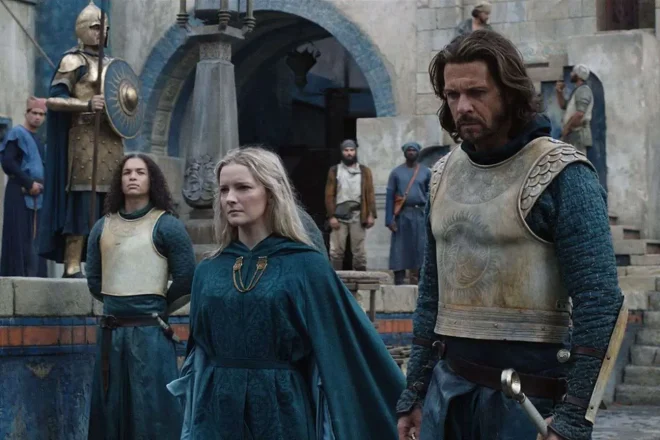
The series set in Tolkien’s Middle-earth has sparked debate among fans for its creative adaptations. A specific detail sheds light on why the production took significant liberties with established lore, reshaping familiar narratives for modern audiences.
TL;DR
- Amazon’s series diverges from Tolkien’s original works.
- Adapting the entire Second Age was not possible.
- Creative choices driven by rights and storytelling limits.
A Complex Task: Bringing Middle-earth to Screens
When Amazon Studios set out to create its ambitious adaptation of J.R.R. Tolkien’s universe, expectations ran high. Yet even the most enthusiastic fans noticed that “The Rings of Power” does not hew strictly to the author’s original texts. The divergence, though, can be traced not to a disregard for the source material, but to practical considerations that shaped every creative choice.
The Limits of Adaptation Rights
Adapting the colossal tapestry of the Second Age presented a formidable challenge. While Tolkien left a treasure trove of stories—spanning the forging of the rings, the rise and fall of Númenor, and Sauron’s machinations—Amazon Studios did not acquire unrestricted access to all these narratives. The company secured rights primarily to “The Lord of the Rings” and “The Hobbit,” but crucial portions from “The Silmarillion” or “Unfinished Tales” remained out of reach. This legal constraint steered writers toward significant modifications and inventions.
Narrative Necessities and Storytelling Choices
Several factors explain this decision:
- Narrative complexity: Compressing centuries into one coherent plotline demands selectivity.
- Audience accessibility: Introducing too many characters or kingdoms risks confusion.
- Dramatic focus: A streamlined story allows for greater emotional resonance.
Screenwriters faced another obstacle—the sheer chronological breadth of Tolkien’s work. Rather than attempt an encyclopedic retelling, they opted for thematic coherence and character-driven arcs.
A Vision Both Familiar and New
Some may lament departures from established canon; purists always will. Still, such adaptations invite new audiences into Middle-earth, balancing reverence with reinvention. As “The Rings of Power” continues, its creative blend reflects both constraint and opportunity—a fresh vision shaped as much by what could not be adapted as by what could.