Robert Redford Dies: Cinema Bids Farewell to Its Rebel Gentleman
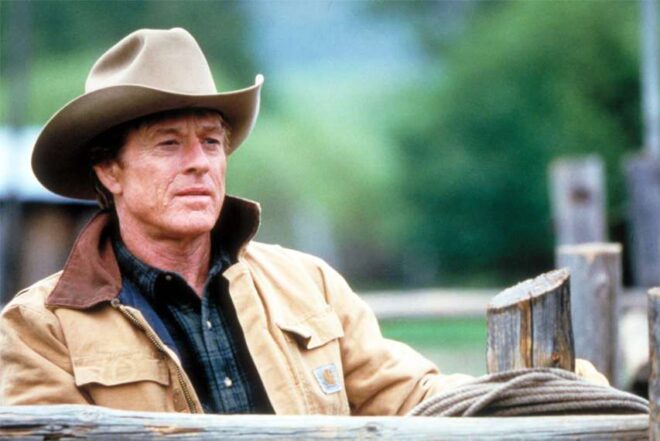
The film industry is mourning the loss of Robert Redford, celebrated for his iconic roles and enduring influence. Known as a charming nonconformist, Redford’s passing marks the end of an era in international cinema.
TL;DR
- Robert Redford dies at 89, leaving Hollywood in mourning.
- He shaped cinema as actor, director, and festival founder.
- Sundance legacy fostered independent filmmakers’ global rise.
The Final Curtain Falls on a Cinema Icon
Hollywood awoke on September 16 to the news it had long dreaded: Robert Redford, the quietly magnetic force behind countless cinematic classics, passed away peacefully at his Utah home. The announcement, confirmed by Cindi Berger of Rogers & Cowan PMK and reported by the New York Times, was met with a palpable sense of loss across the film industry. At 89, Redford leaves not only a prodigious body of work but also a legacy that reshaped American film both in front of and behind the camera.
From Modest Beginnings to Cinematic Immortality
Few could have predicted such an extraordinary journey for Charles Robert Redford Jr., born in Santa Monica. His early steps were tentative—bit parts in TV series like Maverick and The Twilight Zone formed his first foray into acting. Yet it wasn’t long before his undeniable presence commanded attention in War Hunt (1962). The real turning point arrived with Butch Cassidy and the Sundance Kid (1969), a film that did more than secure four Oscars—it catapulted Redford into permanent stardom and lent its name to one of his most ambitious projects.
A Relentless Drive for Artistic Depth and Change
As the 1970s dawned, Redford gravitated toward riskier material. Roles in political thrillers such as Three Days of the Condor and All the President’s Men cemented him as a leading man unafraid to probe America’s psyche. His range impressed: from solitary adventurer Jeremiah Johnson to an enigmatic Gatsby, he embodied complex characters with striking subtlety. However, it’s perhaps worth pausing on another achievement—one that changed the industry far beyond his own performances.
The founding of the Sundance Institute signaled a new era for American independent cinema. By revitalizing what would become the globally renowned Sundance Film Festival in Park City, he created an enduring launchpad for rising filmmakers. Among those who benefited from this vision:
- Steven Soderbergh
- Quentin Tarantino
- Ava DuVernay
A Lasting Impact Across Generations
Even after crossing into his later years, Redford remained remarkably present—sharing scenes with Brad Pitt in Spy Game or directing Will Smith in The Legend of Bagger Vance. Perhaps most surprising was his role as Alexander Pierce within the sprawling Marvel Cinematic Universe, introducing his iconic face to younger audiences via Captain America: The Winter Soldier and Avengers: Endgame.
In an age quick to forget its legends, Redford’s quiet audacity and unwavering support for new voices ensure he will be remembered—not just as an actor or director but as one of American cinema’s essential architects.