Sam Altman: The AI Prodigy Shaping Tomorrow’s Technology
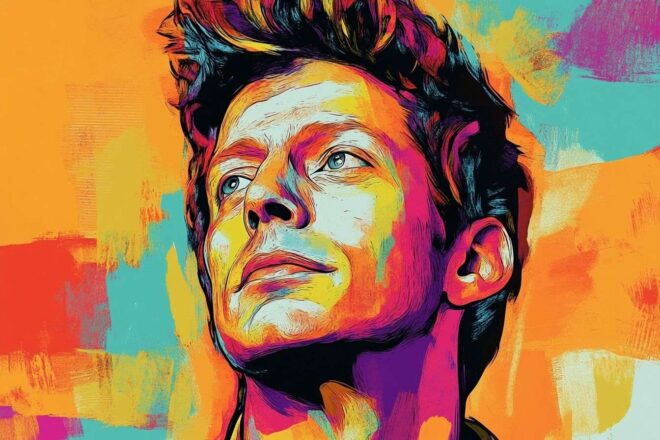
Sam Altman has rapidly emerged as a central figure in artificial intelligence, gaining recognition for his visionary leadership and significant contributions to the field. His innovative work continues to shape the future of AI and influence global technology trends.
Tl;dr
From Childhood Curiosity to Early Entrepreneurship
Before he became a defining figure in the world of artificial intelligence, Sam Altman spent his childhood in St. Louis, tinkering with technology. The story goes: as a boy in the 1990s, he disassembled his Macintosh just to understand its inner workings. Teaching himself programming well before university age, Altman was soon debugging and creating his own software. At just nineteen, he entered Stanford, but quickly realized that academic halls couldn’t match the pace of his ambitions. Instead, he chose the unpredictable path of entrepreneurship, launching the geolocation app Loopt — a venture that would be acquired for $43 million after seven years, setting the stage for what was to come.
The Y Combinator Catalyst
Following his initial success, Altman joined the influential startup accelerator Y Combinator. First as a partner in 2011 and then as president three years later, he found himself immersed in the relentless energy of Silicon Valley’s tech scene. It was here that he witnessed firsthand how rapidly AI technologies were progressing — and how deeply they unsettled even their creators. Debates with innovators like Elon Musk grew increasingly urgent. One evening in 2015, concerns crystallized: « Que faire si une AGI tombe entre de mauvaises mains ? » That single question would become a mission.
The Birth and Evolution of OpenAI
Out of this sense of responsibility, Altman convened thinkers like Musk and Ilya Sutskever to establish OpenAI. Their founding goal: build an open, nonprofit organization dedicated to ethical AI accessible for all. Ambitious funding promises — one billion dollars pledged but only $130 million secured at launch — underscored both the audacity and fragility of their project. In those early days, progress often meant small victories: algorithms mastering Pong or navigating Atari games while bugs plagued even basic code. Yet these challenges embodied a spirit of pioneering experimentation.
Over time, however, OpenAI’s trajectory shifted:
- Pivots in 2019 toward a capped-profit model for scalability.
- Diversification with flagship products like ChatGPT and DALL-E.
- High-profile departures from figures such as Elon Musk and Ilya Sutskever.
The Contradictions Behind OpenAI’s Success
Backed by substantial support from Microsoft, OpenAI now boasts a valuation exceeding $150 billion — a testament to both its vision and its compromises. As it has grown into an industry giant, so too have the tensions between its original ideals and market pressures. It prompts reflection: can leaders like Sam Altman maintain a humanist vision amidst such scale? Ultimately, OpenAI stands as an emblem of modern innovation’s paradoxes — constantly balancing utopian hopes with industrial realities in our digital era.