Samsung Galaxy S26 Features: Minor Upgrades Amid Rising Prices
Samsung / PR-ADN
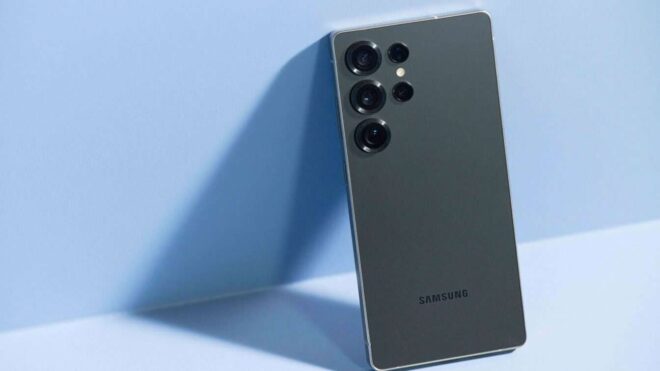
As Samsung prepares to launch the Galaxy S26, the company appears to be focusing on minor upgrades rather than major breakthroughs. This strategy comes amid rising production costs that are shaping the direction of its flagship smartphone lineup.
TL;DR
- Samsung faces challenges setting Galaxy S26 price.
- Rising memory costs and limited upgrades complicate strategy.
- S26 launch expected by February 2026 amid uncertainty.
Strategic Crossroads for Samsung’s Flagship Series
As the mobile industry looks ahead to early 2026, all eyes turn to the future of the Galaxy S26. Within the offices of Samsung, executives are embroiled in a complex debate over how to position their next premium device. This time, pricing is more fraught than ever—a reflection of turbulence across the entire smartphone market.
The Burden of Soaring Component Costs
In recent months, a major disruptor has come into play: skyrocketing expenses for critical components, most notably memory chips. The meteoric rise in demand from companies investing heavily in artificial intelligence has left traditional smartphone manufacturers scrambling. Memory dedicated to standard devices has become increasingly scarce, inevitably pushing prices higher. It’s a domino effect that few anticipated but now shapes nearly every pricing discussion within the sector.
Take, for example, the recent release of the Galaxy Z TriFold in South Korea. Priced at roughly 3.5 million won—less than its actual production cost—this foldable model currently sells at a loss, serving as a showcase rather than a profit driver. However, while such strategies might fly for experimental products, they simply aren’t viable for flagship lines like the Galaxy S series.
Tough Choices for Premium Smartphones
That reality makes life complicated for Samsung’s mainstay models. With current versions—the S25 base model at $799, Plus at $999, and Ultra at $1,299—the brand already sits squarely within the premium segment. Remarkably, the Ultra even outpaces its main competitor, Apple’s iPhone 17 Pro Max, by $100. Pushing prices higher could risk alienating consumers who expect real innovation alongside any extra expense.
Several factors explain this decision:
- A relatively modest upgrade list—Qi2 wireless charging and an improved low-light camera are rumored but not revolutionary.
- The possibility that certain S26 variants may swap out Qualcomm’s new Snapdragon 8 Elite Gen 5 chip in favor of an in-house Exynos 2600 chipset to help manage costs.
- A reshuffle in product lineup: sources suggest a Galaxy S26 Plus will replace the previously planned Edge version, which could delay the device’s official unveiling until February 2026.
An Uncertain Launch on the Horizon
With speculation mounting and budgetary pressures intensifying, industry watchers expect continued debate about where exactly to set that all-important price tag. As February draws closer and leaks multiply, one thing is clear: Samsung’s strategy for its next flagship must balance technological appeal with a pragmatic approach to soaring production costs—no easy feat in today’s fast-changing landscape.