Scientists Reverse Aging in Mouse Blood Stem Cells
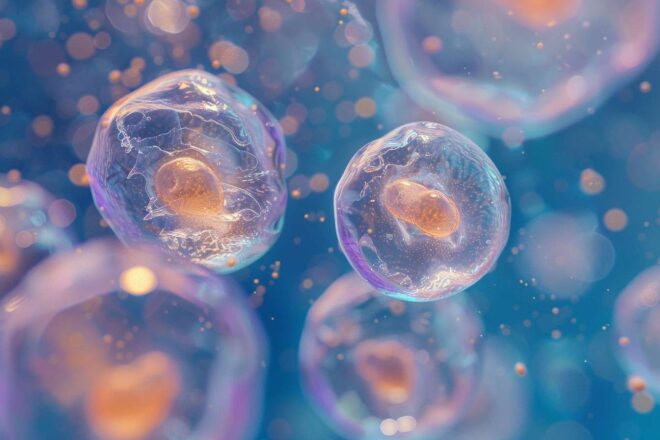
ADN
Scientists have successfully rejuvenated aging blood stem cells in mice, marking a significant advance in regenerative medicine. This achievement could pave the way for new therapies to combat age-related decline in blood cell production and immune function.
TL;DR
- Old blood stem cells rejuvenated by targeting lysosomes.
- Concanamycin A restores function, boosting blood cell production.
- Findings offer hope for aging and immune health.
New Hope for Aging Blood Stem Cells
Beneath the surface of our bones, within the mysterious recesses of the marrow, lie the tireless factories known as hematopoietic stem cells (HSCs). These crucial elements sustain our lives by constantly generating fresh blood cells. Yet, as we age, even these resilient powerhouses begin to flag: the efficiency of our immune system wanes, and the risks of anemia or certain cancers climb. Intriguingly, recent research may have unearthed a way to restore their youthful vigor.
Lysosomes: The Unexpected Culprit in Cellular Aging
For years, scientists puzzled over what disrupts HSC function in older individuals. Now, a team led by Saghi Ghaffari—a stem cell biologist at both the Icahn School of Medicine at Mount Sinai and Université Paris Cité—has traced the problem back to an unexpected source: the cell’s own recycling units, the lysosomes. In aged mice, these organelles become excessively acidic, hampering their efficiency and pushing HSCs into a state of metabolic overdrive. This loss of so-called “quiescence”—a restorative pause essential for stem cell longevity—seems to lie at the heart of declining function. By contrast, youthful cells maintain this quiet state, which preserves their regenerative potential.
A Chemical Reset: Rejuvenating Old Stem Cells
Seeking a solution, Ghaffari’s team experimented with a molecule called concanamycin A. In laboratory tests on stem cells harvested from elderly mice, treatment with this compound normalized lysosomal acidity. When these treated HSCs were returned to their original hosts, something remarkable occurred: blood cell production soared eightfold. Even more strikingly, these once-weakened cells began to behave like those from much younger subjects—showing balanced production and rejuvenated immune responses.
Several factors explain this breakthrough:
- Lysosomal balance was restored in aged stem cells.
- The risk profile for immune dysfunction and anemia was reduced.
- Treated senescent cells showed promise for use in future transplants.
Cautious Optimism for Future Therapies
While these findings ignite considerable excitement within scientific circles, caution is warranted. As Dr. Ghaffari herself underscores, “Lysosomal disruption emerges as a central driver of cellular aging.” However, all evidence so far comes solely from animal studies. If further research confirms these results in humans—a big ‘if’—correcting lysosomal imbalance could signal a new era for treating age-related blood disorders and enhancing transplant viability using previously discarded “old” cells. For now, this work stands as an intriguing signpost on the path toward healthier aging.