Seven Saints Canonized by Pope Leo XIV: Full List
ADN
Pope Leo XIV has officially recognized seven individuals as saints, elevating them to the honor of canonization in a significant religious ceremony. This event marks a notable moment in the ongoing history of sainthood within the Catholic Church.
TL;DR
- Pope Leo XIV canonizes seven diverse new saints.
- Ceremony highlights the Catholic Church’s global outreach.
- Canonization process remains rigorous and highly symbolic.
An Unprecedented Canonization at the Vatican
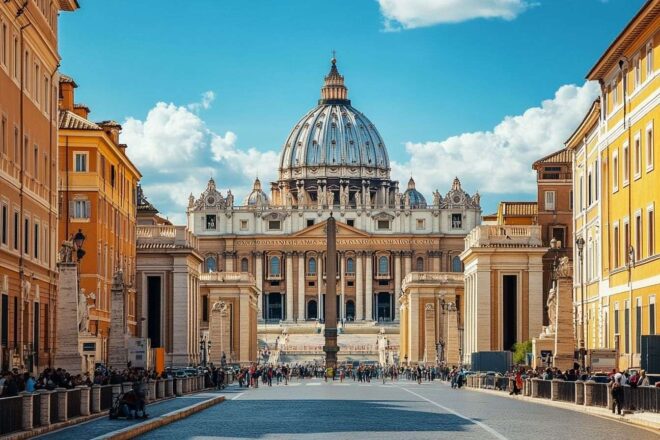
On Sunday, October 19, 2025, Saint Peter’s Square in Vatican City was transformed by a ceremony of rare magnitude: Pope Leo XIV, only five months into his papacy, canonized seven individuals, ushering them into the ranks of the Church’s most venerated figures. This was his second major canonization event, marking a decisive and ambitious pace for his tenure as leader of the world’s 1.3 billion Catholics.
Diverse Paths to Sainthood
Remarkably, the new saints represent an array of backgrounds and geographies rarely seen in a single ceremony. For example, Papua New Guinea saw its first-ever saint, with Peter To Rot—a lay catechist executed during World War II for his steadfast faith—joining the Church’s hallowed list. The group also includes Ignazio Choukrallah Maloyan, an Armenian bishop martyred during the 1915 Ottoman persecution.
Several factors explain this decision:
- Bartolo Longo: Once a lawyer and priest in satanic rites, later a convert who founded a renowned Marian sanctuary in Pompeii.
- José Gregorio Hernandez Cisneros: The Venezuelan “doctor of the poor,” already beloved at home for his medical charity.
- Maria Carmen Elena Rendiles Martinez: Born without her left arm, she became Venezuela’s first female saint after founding a new religious congregation.
- Vincenza Maria Poloni: An Italian trailblazer in hospital care.
- Maria Troncatti: Missionary dedicated to indigenous communities in Ecuador.
The Rigorous Path to Canonization
Achieving sainthood in the Catholic Church is no mere formality. The procedure demands both patience and clear evidence: candidates must have died at least five years prior, demonstrated exemplary Christian virtue, and be credited with at least two authenticated miracles. Oversight is stringent—only the pope can approve this highest form of recognition within Catholicism.
A Message of Inclusion and Renewal
By honoring such a diverse group, Pope Leo XIV signals a commitment to broadening the Church’s spiritual landscape. His choices reflect not only a desire to spotlight those on society’s peripheries but also an intent to ensure that Catholic history intertwines with that of humanity at large. The ceremony sent a powerful message: the sacred belongs as much to distant margins as it does to Rome itself—a perspective increasingly central under Pope Leo XIV’s evolving vision.